dimanche 30 août 2026

🚨JUST IN: Iran Stuns The World And Announces...See more

by

Iran Stuns the World: Rising Tensions Between Tehran and Washington Raise Global Concerns

The relationship between Iran and the United States has once again become one of the world's biggest geopolitical flashpoints. With military activity increasing across the Middle East and diplomatic efforts facing repeated setbacks, global leaders are closely monitoring every new development. Recent events have fueled speculation about what could happen next and how the ongoing tensions may affect international security, energy markets, and regional stability.

Arabs & Middle Easterners

Download Interactive Maps

A Long History of Rivalry

For decades, the United States and Iran have experienced a complicated and often hostile relationship. Disagreements over Iran's nuclear program, economic sanctions, regional influence, and military operations have repeatedly pushed both nations toward confrontation. Although periods of diplomacy have occasionally reduced tensions, lasting solutions have remained difficult to achieve.

Why the Situation Matters

The Middle East is home to some of the world's most important energy routes, including the Strait of Hormuz, through which a significant share of global oil shipments passes. Any disruption in this region can have immediate effects on fuel prices, international trade, and financial markets worldwide. Recent reports indicate that renewed tensions have once again placed this strategic waterway at the center of global attention.

Military Readiness and Diplomatic Pressure

Both Washington and Tehran continue to balance military preparedness with diplomatic messaging. While officials on each side have expressed their positions firmly, international mediators are working to prevent further escalation. Qatar and Oman have reportedly played important roles in facilitating discussions aimed at reducing hostilities.

Global Economic Impact

Financial markets often react quickly to uncertainty in the Middle East. Investors closely monitor developments because any increase in regional instability can influence oil prices, shipping costs, inflation, and global supply chains. Businesses and governments alike remain alert to potential economic consequences.

Economics

What Comes Next?

Experts believe several scenarios remain possible, ranging from renewed negotiations to continued military tensions. Much will depend on diplomatic progress, regional security developments, and the willingness of all parties to avoid a broader conflict. While headlines may appear dramatic, the situation continues to evolve rapidly, making verified information especially important

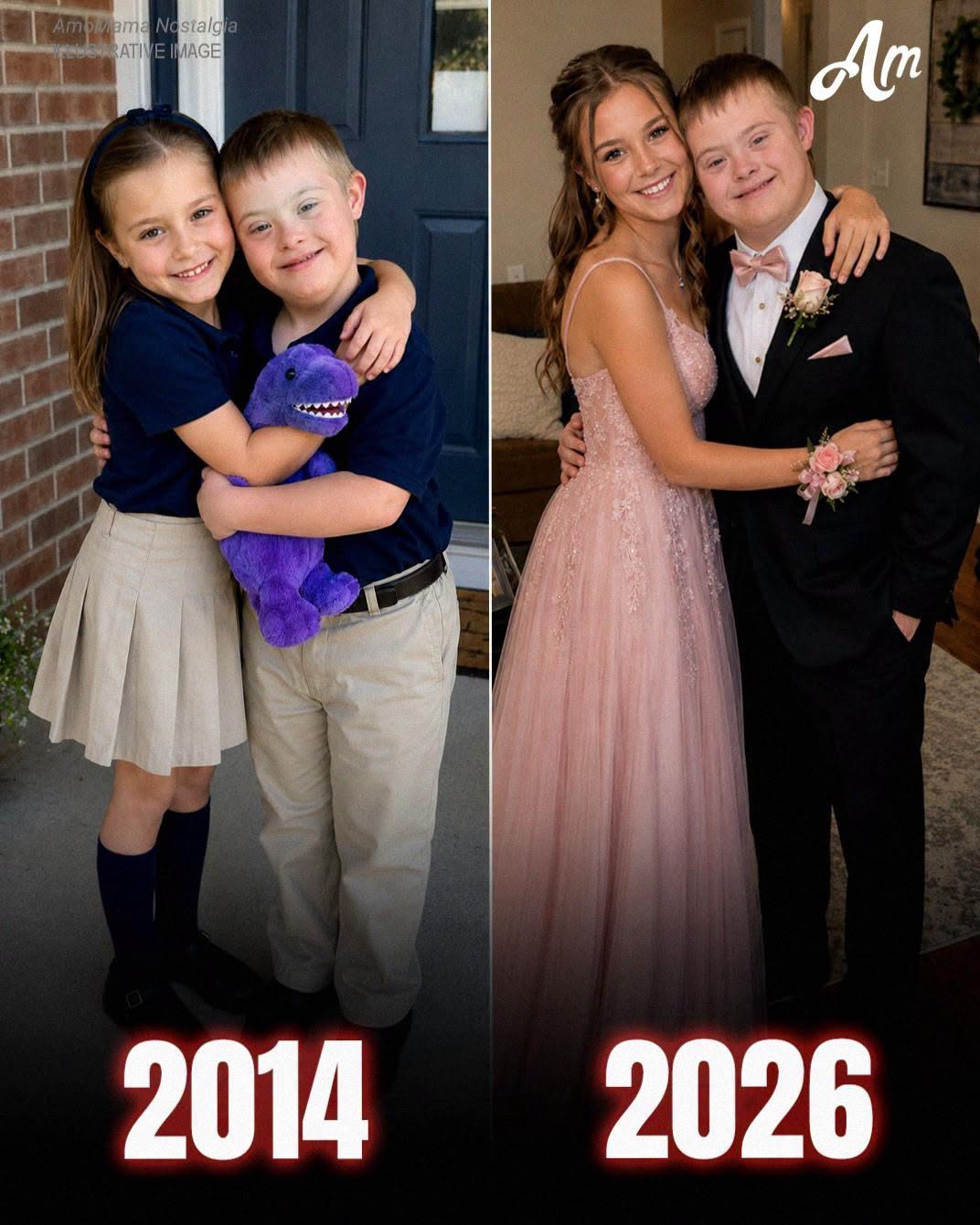
At 6, I Promised My Best Friend with Down Syndrome We’d Go to Prom Together – 12 Years Later, Mom Said I Could Go with Him Only on One Condition

by


steps while Mom repeatedly stepped the wrong direction.

Finally he sighed.

“Mrs. Jane, Chrissy dances better.”

“That’s why she’s your date.” Mom’s voice softened. “Thank you for staying.”

Exploring Maternity Wear

Noah frowned as though she’d thanked him for breathing.

“She stays too.”

“Thank you for staying.”

Mom closed her eyes.

That was the answer she’d needed for years.

***

At prom, when the first slow song began, Noah held out his hand.

“Chrissy… You owe me.”

“Twelve years?”

“Yes.”

He stepped on my shoe within five seconds.

“You’re terrible at this.”

“Your dress is badly designed.”

“Chrissy… You owe me.”

We laughed until people stared.

Nothing extraordinary happened.

Nobody applauded us.

We were simply two 18-year-olds dancing badly together.

***

Afterward, Mom waited outside.

Exploring Maternity Wear

Noah carried my heels because my feet hurt.

I carried his jacket because he was feeling hot.

At the car, he opened my door.

We were simply two 18-year-olds dancing badly together.

I climbed inside, leaned across the seat, and opened his.

Mom watched us in the mirror.

For years, she’d seen me beside Noah and thought one of us was

She finally understood.

Nobody was rescuing anybody.

Nobody was fulfilling an obligation.

Nobody was rescuing anybody.

We were just two people who had figured something out at six that adults sometimes spend their whole lives learning.

When somebody matters to you, you stay.

And sometimes, if you’re lucky, they stay too.

If You See Someone with a Three-Dot Tattoo, Run as Far as You Can

by


Skip to content

The warning spreads fast: “If you see a three-dot tattoo, run.” It sounds urgent, almost absolute, turning a tiny symbol into something dangerous. But what if that fear oversimplifies something far more human?A small cluster of three dots can carry many meanings. It isn’t a single story—it’s a collection of personal ones, shaped by the person wearing it.For some, it represents “mi vida loca,” or “my crazy life,” a phrase tied to surviving chaos and hardship. It can reflect resilience more than threat.

For others, the meaning is deeply personal. Three dots might stand for children, loved ones, or defining moments they want to carry with them forever.
Sometimes it’s about faith, balance, or life’s journey. Other times, it’s simply an aesthetic choice—something that felt right without needing explanation.
It’s true that in certain contexts, the symbol has been linked to gangs. But context matters, and not every person with this tattoo shares that connection.
Judging someone based on a single symbol removes their individuality. A tattoo doesn’t define actions, character, or intentions—people do.
When we replace curiosity with fear, we risk misunderstanding others. The real story is rarely visible at a glance.
Before assuming the worst, it’s worth remembering that symbols don’t carry meaning alone—people give them meaning through their lives and choices.

COVID-19: Understanding What We Know After Five Years

by


In December 2019, a new virus appeared in China and rapidly spread worldwide, raising global concerns — including from the World Health Organization (WHO). This highly contagious infectious disease, later named COVID-19, led to an unprecedented global pandemic.

The First Diagnosed Cases in France (2/10)

In France, the first confirmed cases were reported at the end of January 2020. About twenty days later, the country recorded its first deaths linked to the virus.

The Lockdown (3/10)

A national lockdown was implemented on March 17, 2020. Although it was lifted less than two months later, wearing a mask became mandatory.
At the same time, authorities — in partnership with the Pasteur Institute — began planning a massive vaccination campaign.

Many Questions Remain (4/10)

Several pharmaceutical companies, including Pfizer, AstraZeneca, Moderna, and Johnson & Johnson, developed vaccines in record time.
This raised many questions and debates concerning their safety, efficiency, and long-term effects.

Confirmed Side Effects (5/10)

After millions of doses administered and almost five years of data, medical specialists have reported known adverse effects such as high blood pressure, myocarditis/pericarditis, allergic reactions, and heavy menstrual bleeding.
Most of these remain rare but are documented in scientific literature.

Recent Articles

Pages: 1 2

Serious Side Effects? (6/10)

To this day, some people — including certain scientists — continue to question whether COVID-19 vaccines may be linked to various health conditions.
A recent large-scale study examined this question further.

This study was conducted by the Global Vaccine Data Network, involving more than 99 million people across eight countries: Argentina, Australia, Canada, France, Denmark, Finland, New Zealand, and Scotland.
Its findings were published in the scientific journal Vaccine.

Words From the Researchers (8/10)

“Most of the vaccinated individuals were between 20 and 59 years old, and France was the country where the highest number of doses were administered,” the researchers explained. The vaccines examined were produced by Pfizer, Moderna, and AstraZeneca.
These results added to the ongoing debates among healthcare professionals and patients alike.

Guillain-Barré Syndrome and Venous Thrombosis (9/10)

Researchers observed an increase in cases of Guillain-Barré syndrome (GBS) and cerebral venous thrombosis (CVT) following the first dose of the AstraZeneca vaccine.

  • Guillain-Barré syndrome typically causes progressive muscle weakness.

  • Cerebral venous thrombosis occurs when a blood clot forms in a vein in the brain, obstructing blood circulation.

French basketball player Victor Wembanyama previously suffered from a form of thrombosis, which forced him to end his season.

More Research Is Needed (10/10)

In addition, all vaccines showed an increased risk of myocarditis and pericarditis — inflammations of the heart muscle or its surrounding tissue — although these events remain rare.

“Other issues have been identified that require further research,” the journal notes.
Researchers emphasize that additional investigation is necessary to fully understand the relationship between vaccination and these adverse events.

Conclusion

COVID-19 vaccines were developed under urgent circumstances during a global health crisis.
After nearly five years of real-world data and scientific analysis, we now have a clearer — though still evolving — understanding of the possible side effects associated with these vaccines.

Recent Articles

Pages: 1 2

Finding a lump on your hand can be alarming, especially if it shows up suddenly or seems to be growing. It’s natural to worry, but the good news is that many hand lumps are harmless and treatable. Understanding what could be causing the lump and knowing when to see a doctor can help you stay calm and take the right steps.

Most Hand Lumps Are Benign

The majority of hand lumps are non-cancerous. Common harmless causes include:

  • Ganglion cysts – fluid-filled sacs that often appear near joints or tendons.
  • Lipomas – soft, fatty growths just under the skin.
  • Inclusion cysts – small lumps caused by trapped skin cells.

These lumps are usually painless and don’t require aggressive treatment, though they can sometimes be removed if they interfere with movement or cause discomfort.

Lumps Related to Joints or Tendons

Some lumps are linked to underlying joint or tendon issues, such as:

  • Arthritis – can cause bony nodules or swelling near joints.
  • Trigger finger – a nodule may form on a tendon, leading to finger clicking or locking.

If you notice your lump affects movement or causes stiffness, it could be connected to these conditions.

Infections Can Also Cause Lumps

Bacterial infections or abscesses can create swollen, red, or painful lumps. These are usually accompanied by warmth around the area and often require medical treatment, sometimes including antibiotics or drainage.

When Lumps Could Be More Serious

see continuation on next page

Recent Articles

Pages: 1 2

When Lumps Could Be More Serious

While rare, some lumps on the hands may indicate more serious issues:

  • Tumors – can be benign or malignant.
  • Rheumatoid nodules – linked to autoimmune disorders.
  • Bone or soft tissue cancers – uncommon, but possible.

It’s important to pay attention to unusual changes in your hand lumps to rule out serious conditions early.

When to See a Doctor

Seek medical advice if a lump:

  • Grows quickly
  • Is painful or tender
  • Limits movement of your hand or fingers
  • Changes color or bleeds
  • Persists for several weeks

How Doctors Diagnose Hand Lumps

Diagnosis may involve:

  • Ultrasound – to check fluid-filled versus solid lumps
  • MRI – for deeper tissue evaluation
  • Biopsy – if there’s any concern about cancer

Early evaluation can give peace of mind and ensure you get proper treatment if needed.

Bottom Line:

Most lumps on the hands are harmless, but ignoring changes can be risky. If you notice a new lump or a lump that’s changing, it’s always best to get it checked. Early attention can rule out serious conditions and make treatment easier if needed.

Recent Articles

Pages: 1 2

Consistency matters.”

He sets down his drink. “You made your choice today.”

“No, Dad. I made room for both of you. You just didn’t want to share the space.”

For a moment, I see the man I used to wait for on the porch, hoping he’d arrive early and take me for ice cream. The man who once told me bedtime stories and held my tiny hand in his.

And I feel a

pang of loss.

But I also feel peace.

“I’m still your daughter,” I say. “You’re still part of my life. If you want to be.”

He nods once, slowly. But doesn’t say anything more.

The night winds down. Jason and I sneak out under a shower of sparklers, my dress dusted with glitter and grass. Tim hugs me tight before we leave.

“Do you think he’ll come around?

” I ask him softly.

“I don’t know,” he says. “But you gave him the chance. That’s more than most people ever get.”

As we drive away, Jason takes my hand in the car and kisses my knuckles.

“I love you,” he says.

“I love you too.”

But I also love the man who didn’t have to raise me—but chose to.

And I will never again let that love be hidden in the back row.

Recent Articles

Pages: 1 2

Not for money. Not for tradition. Not for pride.

Because families aren’t always made by blood. Sometimes, they’re made by the quiet heroes who show up when it matters most.

And on the biggest day of my life, I finally got to show the world who mine was.

Tim. My dad.

Always

Recent Articles

Pages: 1 2

Off The Record My 13-Year-Old Brought A Starving Classmate Home—Then I Saw What Was In Her Backpack

by

always believed that if you worked hard enough and managed carefully enough, enough would take care of itself.

Enough food. Enough warmth. More than enough love, even when everything else was tight.

What I had not fully understood — not until a Tuesday night in late spring — was that enough was something I had to argue into existence every single week. I argued with the grocery store about what we could afford. I argued with the bills about which one could wait another seven days. I argued with myself about whether the numbers were going to work out and what I would do if they didn’t.

Tuesday was rice night in our house. One pack of chicken thighs, a handful of carrots, half an onion. I had it timed. Sliced the carrots a certain thickness, cooked the rice to a specific volume, portioned the chicken so that dinner fed three people and tomorrow’s lunch was already in the plan. Every Tuesday I did this math without thinking, the way you do math that you’ve run so many times it’s no longer math but instinct.

Subscribing To Gourmet Meal Kit Services

I was running that math when my daughter Sam burst through the back door with someone I had never seen before.

Source: Unsplash
The Girl in the Hoodie Had Her Sleeves Past Her Knuckles Despite the Warm Weather — and She Kept Her Eyes on the Floor
My husband Dan had just come in from the garage. He set his keys in the bowl by the door the way he always did and dropped into a chair with the particular exhaustion of a man who spent his days doing physical work and came home with his hands showing it.

“Dinner soon, hon?”

“Ten minutes,” I said, still counting.

Sam didn’t pause at the door. She came straight through the kitchen with someone behind her — a girl about her age, hair pulled into a messy ponytail, wearing a hoodie that was too heavy for the weather with the sleeves pulled all the way down to cover her hands. She clutched the straps of a faded purple backpack like they were the only solid thing available.

“Mom, Lizie’s eating with us.”

She said it the way she said things she had already decided — not as a question, not as a request. As a fact she was informing me of.

I had a knife in my hand and dinner portioned for three.

Subscribing To Gourmet Meal Kit Services

The girl — Lizie — had not looked up. Her eyes stayed on the linoleum. Her sneakers were scuffed along the toes. And when she turned slightly, I could see the outline of her ribs through the thin fabric of her shirt beneath the open hoodie.

She looked like someone who wanted very badly to be small enough not to cause trouble.

“Hi there,” I said, trying to make my voice warmer than my thoughts were in that moment. “Grab a plate, sweetheart.”

“Thank you,” she whispered. The words barely made it to the edge of the table.

She Ate With the Careful Precision of Someone Who Has Learned Not to Take More Than She’s Sure She’s Allowed
I watched her while I pretended not to.

Lizie did not eat the way hungry people typically eat. She measured. One careful spoon of rice. A single piece of chicken. Two carrots placed on the side. She glanced up at every sound — every fork clatter, every chair scrape — the way a person holds themselves when they are not sure whether the room is safe.

Dan tried, because Dan always tried.

“So, Lizie. How long have you and Sam been friends?”

A small shrug. Her eyes stayed low. “Since last year.”

Sam jumped in before the silence could grow. “We have gym together. Lizie’s the only one who can run the mile without complaining.”

The tiniest smile crossed Lizie’s face at that. She reached for her water glass, drank it completely, refilled it from the pitcher, and drank again. Her hands were not entirely steady.

I looked at the food on the table and then at the two girls and did the math for the second time that evening: less chicken, more rice, split differently. Nobody would notice.

Getting Prepared Meal Kits

Dan kept trying with the conversation.

“How’s algebra treating you both?”

Sam rolled her eyes with the theatrical commitment that only teenagers achieve. “Dad. Nobody likes algebra. And nobody talks about algebra at the dinner table.”

Lizie’s voice came out soft. “I like it. I like patterns.”

Sam smirked. “Yeah, you’re the only one in our class.”

Dan chuckled. “I could’ve used you during tax season, Lizie. Sam nearly cost us our refund.”

“Dad!”

The laughter around the table was small, but it was real. Lizie sat a little differently after that. Not relaxed, not yet, but slightly less braced.

After Dinner, Sam Handed Her a Banana and Said It Was a House Rule — and the Look on That Girl’s Face Was Something I Couldn’t Stop Thinking About
Lizie stood after dinner with the posture of someone who has learned to leave quickly, before she can become an imposition.

Sam intercepted her with a banana from the fruit bowl.

“You forgot dessert.”

Lizie blinked. “Really? Are you sure?”

“House rule. Nobody leaves here hungry.” Sam pushed the banana into her hand. “Ask my mom.”

Lizie clutched it the same way she clutched her backpack straps. “Thank you,” she said, quietly. Like she wasn’t entirely certain she deserved it.

She lingered at the door for a moment, looking back at the kitchen.

Dan nodded at her. “Come back any time, hon.”

Her cheeks went pink. “Okay. If it’s not too much trouble.”

“Never. We always have room.”

The door closed behind her and I turned to my daughter.

“Sam.” I kept my voice low. “You can’t just bring people home without asking. We’re barely managing this week.”

Sam didn’t move. She looked at me with the expression she had been developing over the past couple of years — the one that was simultaneously her father’s stubbornness and my own.

“She didn’t eat all day, Mom. How was I supposed to ignore that?”

“That doesn’t—”

“She almost fainted in gym.” Sam’s voice was not loud but it was firm. “Her dad’s working double shifts. They had their power shut off last week. I know we’re not rolling in money, but we can afford to feed someone dinner.”

I stood in my kitchen looking at my thirteen-year-old daughter.

Dan moved to Sam’s shoulder. “Is that true, Sammie? All of it?”

She nodded. “Today she actually sat down on the gym floor for a minute during the mile. The teacher told her to eat better.” Sam looked at me steadily. “She eats lunch at school when the lunch program covers it. That’s not every day.”

The room tilted slightly.

I thought about the dinner I had just served and the careful portions Lizie had taken and the way she drank two full glasses of water.

“I’m sorry,” I said to Sam. “I shouldn’t have come at you like that.”

Sam’s expression softened just slightly. “I told her to come back tomorrow.”

“Okay,” I said. “Bring her.”

Source: Unsplash
She Came Back the Next Night and the Night After That — and by Friday She Was Doing Dishes and Humming at the Kitchen Sink
I made extra pasta the next evening, seasoning the sauce with the particular anxiety of a person who is trying to do the right thing and hoping the grocery budget will allow it.

Lizie came back, hugging her backpack. She cleaned her plate and then carefully wiped her section of the table before anyone could ask her to.

By the end of the week she was a quiet fixture. She and Sam did homework at the counter. She washed dishes without being asked. One evening she fell asleep sitting at the counter, jerked awake, and apologized three times for it.

Dan caught my arm in the hallway.

“Should we call someone? She needs real help, right?”

“And say what?” I whispered. “That her dad’s broke and she’s exhausted? I don’t know how to handle this, Dan. I really don’t.”

“She looks like she hasn’t slept.”

“I know. I’ll talk to her. Gently.”

Over the weekend I tried to find out more from Sam.

Sam shrugged. “She doesn’t say much about home. Just that her dad works a lot. The power gets shut off sometimes for a few days. She pretends it’s not a big deal, but she’s always tired, Mom. And always hungry.”

On Monday, Lizie arrived looking paler than usual. When she pulled out her homework at the kitchen counter, the backpack tipped off the chair and hit the floor.

The Backpack Burst Open and the Papers Scattered Across the Linoleum — and I Knelt Down to Help and Saw What She Had Been Carrying
Papers everywhere. I moved to gather them and that’s when I saw it.

Crumpled bills. An envelope with coins. A shutoff notice stamped FINAL WARNING in red ink. And a battered notebook that had fallen open to a page covered in careful handwriting.

The word EVICTION was written at the top.

Beneath it, a list. What we take first if we have to leave.

“Lizie,” I said. I could barely get the words together. “What is this?”

She froze. Her fingers went to the hem of her hoodie.

Sam had come in behind me. “Lizie. You didn’t tell me it was this bad.”

Dan appeared in the doorway, reading the room before reading anything else.

I held up the envelope. “Sweetheart. Are you and your dad in danger of losing your home?”

She stared at the floor. When she finally spoke, her voice was so quiet I had to lean forward.

“My dad said not to tell anybody. He said it’s nobody’s business.”

“Lizie, that’s not quite true,” I said. I kept my voice the way I kept it during Sam’s worst nights, the years when she was small and afraid of things I could not see. “We care about you. But we can’t help if we don’t know what’s happening.”

She shook her head. Tears were building but not falling, like she had learned that crying used up energy she didn’t have.

“He says if people know, they’ll look at us differently. Like we’re begging.”

Dan crouched down beside us, bringing himself to her level.

“Is there anywhere else you could stay? Family? A friend?”

“We tried my aunt. She has four kids in a two-bedroom place. There wasn’t room.”

Sam sat down beside her. “You don’t have to keep this hidden from us. We’ll figure something out together.”

I nodded. “You’re not alone in this. Not anymore.”

Lizie was quiet for a long moment. Then she looked at the cracked screen of her phone.

“Should I call my dad? He’s going to be upset I said anything.”

“Let me talk to him,” I said. “All we want is to help.”

Paul Came to the Door with Oil Stains on His Jeans and Exhaustion on His Face — and He Tried to Smile Anyway
He shook Dan’s hand at the door with the careful dignity of a man who has not stopped working even while everything around him has been collapsing.

“I’m Paul. Thank you for feeding her. I’m sorry for the trouble.”

“Helena,” I said. “And it hasn’t been any trouble, Paul. But Lizie is carrying things no child should carry.”

He glanced at the papers on the table. His jaw tightened.

“She had no business bringing that here.”

Then his face did something I recognized — it crumpled the way faces crumple when the thing a person has been holding together comes apart in the wrong moment in front of the wrong people, which is to say any moment and any people.

“I thought I could fix it. I just needed more time. If I worked more hours—”

“She needs more than longer hours, Paul,” Dan said. Not harshly, but directly. “She needs food and sleep and the chance to just be a kid. Right now she’s planning evacuation lists.”

Paul ran both hands through his hair. He sat down at my kitchen table because his legs seemed to require it.

“Her mom died two years ago,” he said quietly. “I promised I’d keep her safe. I didn’t want her to see me fail at that.”

“She’s already seeing it,” I said, as gently as I could manage. “She’s just been protecting you from knowing that she is.”

The kitchen was very still.

Dan pulled out a chair across from him. “So. What do we do now?”

The Night Ended With Phone Calls and Plans — and None of It Was a Miracle, but All of It Was Something
After Paul left with Lizie — who hugged Sam at the door with the fierce grip of someone who has not been held very much recently — I started making calls.

The school counselor first. Then my neighbor Carla, who volunteers at the county food pantry and knows how to navigate that system without making anyone feel like a charity case. Then, with Dan’s coaching, a call to Lizie’s landlord.

Dan drove to the grocery store with food vouchers we had been holding. Sam baked banana bread with Lizie the following afternoon, the two of them filling our kitchen with flour and noise and actual laughter.

A social worker came by and asked careful questions. The landlord met with Paul and worked out an arrangement — maintenance work on the building in exchange for a payment plan on what was owed. It was not a simple solution, but it was a workable one.

At school, the counselor admitted they should have asked more questions earlier. Lizie was enrolled in the free lunch program with proper documentation, not the uncertain coverage she had been navigating on her own. Real support was arranged.

The food bank was harder. Paul’s pride, Dan told me, was the kind of pride that develops in men who have spent their lives being capable, and having to receive help felt like the final admission of failure.

“We can’t push him faster than he’s ready,” Dan said.

But Lizie was the one who finally got through.

She looked at her father during a quiet moment in our kitchen and said, “Please, Dad. I’m tired.”

He went with Dan to the food bank the next Saturday.

Source: Unsplash
The Fridge Was Never Full — but There Was Always Enough for One More, and Eventually That Became the New Math
Weeks passed.

Sam’s grades went up. Lizie was tutoring her in algebra three evenings a week, her voice getting a little stronger each session, a little more certain of its right to take up space. Lizie made the honor roll and Sam taped the notice to our refrigerator with the specific pride of someone who considers another person’s achievement their own.

She started laughing in our kitchen. Not the polite, careful kind — the unguarded kind that catches you off guard and fills the room.

I stopped counting chicken slices. I started counting smiles instead.

One evening, after dinner had been cleared and Dan was washing up, Lizie stayed at the counter. She was doing what she often did — pulling her sleeves down to her knuckles, the way she had that first night — but the rest of her posture was different now. Less braced. More settled.

“Something on your mind, sweetheart?” I asked.

She considered it. “I used to be scared to come here,” she said. “Like I was taking something that wasn’t mine.”

“And now?”

“Now it just feels safe.”

Sam was at the counter beside her. “That’s because you haven’t seen Mom on laundry day.”

Dan turned from the sink. “Let’s absolutely not open that subject.”

Lizie laughed. I packed a lunch for the next day and handed it to her, and she took it and then wrapped her arms around me and held on for a moment.

“Thank you, Aunt Helena. For all of it.”

“Anytime,” I said. “You’re family here.”

After She Left, I Stood in the Kitchen and Told My Daughter Something I Had Been Feeling for Weeks
The house was quiet the way it got quiet after Lizie left — not empty, just returned to its usual three-person frequency.

Sam was watching me with an expression I recognized. The particular pride she had been developing, the quiet version, the kind that doesn’t need an audience.

“Hey,” I said. “I want you to know I’m proud of you. You didn’t just notice someone hurting. You did something.”

Sam shrugged in the way she shrugged when compliments made her uncomfortable. “You’d have done the same thing, Mom.”

I thought about that. About the Tuesday night when I stood at that stove counting chicken pieces and arguing with the math and almost said you can’t just bring people home without asking. About the way the math had looked impossible and then turned out, somehow, to be manageable.

Maybe she was right. Maybe I would have done the same. But she hadn’t waited to find out. She had just done it.

That was not something I had taught her. That was something she had figured out herself, in a gym class, watching a girl sit down on the floor because she had run out of fuel, and deciding that she was not going to file it under someone else’s problem.

I had been so busy worrying about enough — enough food, enough money, enough of everything — that I had almost missed the lesson my own daughter was living out in front of me.

Enough, it turned out, was more elastic than I thought. It stretched in directions I had not accounted for. It could cover one more plate without anyone going hungry. It could cover one more person without making the rest of us smaller.

The next day, Sam and Lizie came through the back door in the late afternoon with the particular noise that two teenagers make when something funny has happened between them and they have not finished laughing about it yet.

“Mom, what’s for dinner?”

“Rice and whatever I can stretch,” I said.

And I set out four plates.

I didn’t think about it. I just did it.

Did this story reach you somewhere real? Let us know what you think in the comments on the Facebook video — we genuinely love hearing from you. And if this moved you, please share it with your friends and family. Some stories deserve to travel as far as they can.

For thirty-five years, my husband shared with me the same drink every night. Years later, I took the bottle barraka chfara to analyze and the result left me completely surprised…

by


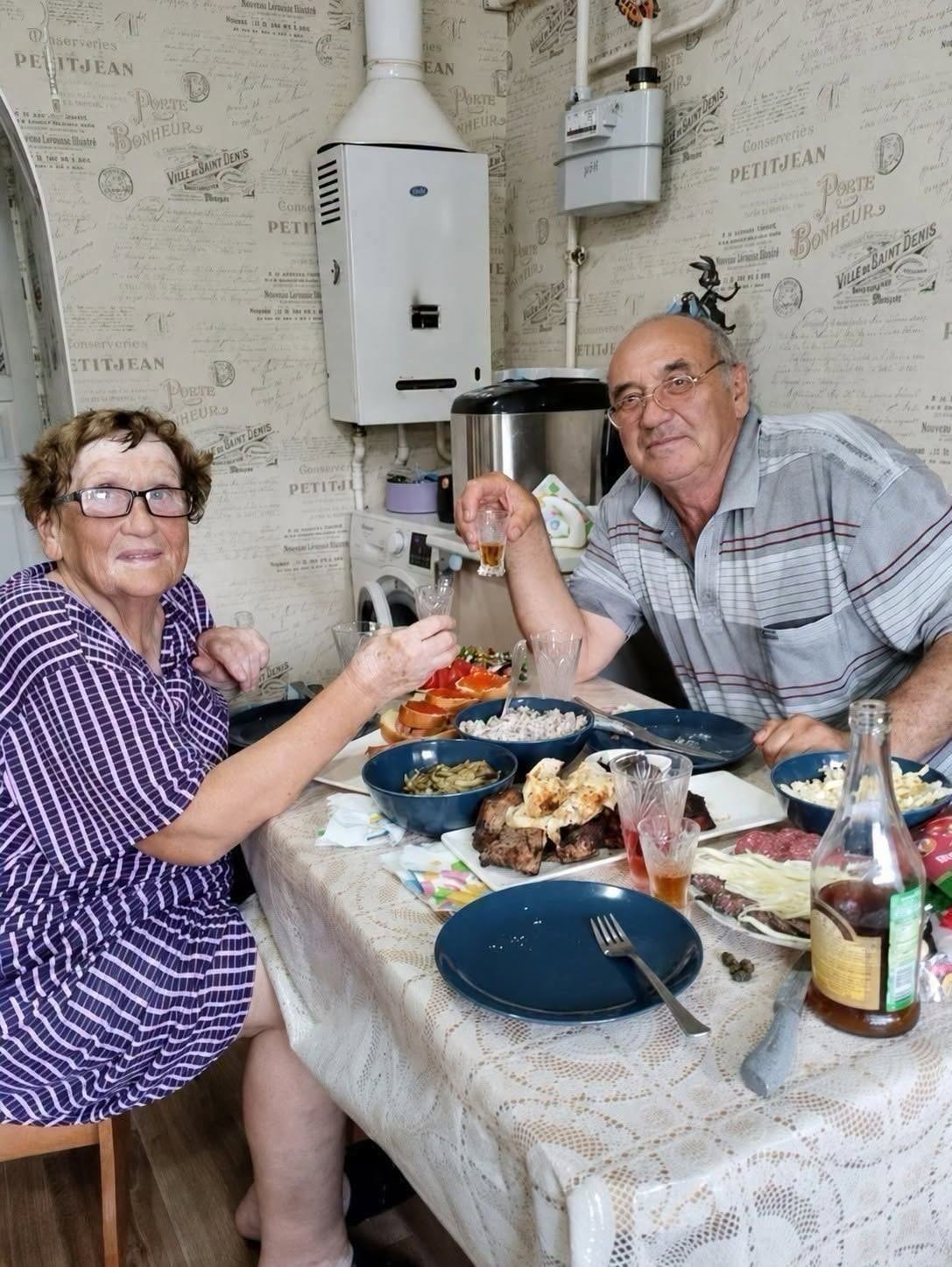
For thirty-five years, my husband and I share the same drink every night. Years later, I took the bottle to analyze and the result left me completely surprised…

Calculators and reference tools

For thirty-five years, my husband Victor placed every night, exactly at nine, two small glasses on the table of the  kitchen.

One for him and one for me.

He always took out the bottle he kept on the highest shelf in the closet, served the dark liquid himself and waited until my glass was finished.

“A glass to celebrate another day we’ve spent together,” he always said.

When we were newlyweds, it even seemed like a romantic custom. I thought Victor just wanted us to spend a few quiet minutes together at the end of each day.

Over the years, that custom became an important part of our routine.

It didn’t matter if I was tired, if I had a difficult day or if I preferred to take something else. Victor always prepared both glasses.

“Tonight I prefer to take something else,” I said one day.

Astronomy

It’s just our little ritual.

Why is it so important to you?

Victor smiled.

“Because I like to share this moment with you.

Finally, I sat next to him.

The  drink It had a very particular aroma and a rather bitter taste. Sometimes it left a strange feeling in the throat and sometimes a slight metallic taste.

The most curious thing was that Victor never offered it to our guests.

When we had visitors, the bottle remained stored in the closet.

One day, when our daughter Emily was sixteen, she went into the kitchen and saw the bottle.

Astronomy

“What’s inside?” he asked curiously.

Victor took it and smiled.

It is a special recipe of ours  family. Someday I’ll tell you the story.

Emily shrugged and returned to her room.

I, however, kept thinking of his words.

The years passed, but our night tradition never changed.

Once a month, Victor received a small package in the mail.

He carefully stored it and, soon after, a new bottle without a label appeared in the closet.

Every time I asked him where he came from, he replied that he was from an old acquaintance.

When I proposed to ask him about the recipe, Victor simply smiled.

“Someday I’ll tell you everything.

Astronomy

One night I decided to put my glass aside.

When Victor left the kitchen for a few minutes, I pushed the  drink.

The next morning I noticed that one of the nearby plants did not look as good as the day before.

Scheduleand calendars

I was surprised and spent part of the day thinking about what might have happened.

I remembered all those years and started asking myself questions.

Why was this drink so special?

Why did Victor always keep her in the same place?

And why did he never talk about his origin?

Victor, meanwhile, was still the same attentive man as always.

When I had a difficult day, I helped.

When I was tired, I was preparing dinner.

When Emily needed something, she was always available to her.

That is why I found it even more curious that I kept that little tradition a secret.

A few weeks later, I left the glass aside again.

The next morning, Victor looked at me and asked:

You didn’t finish your glass yesterday.

How do you know?

He smiled.

“We’ve been sitting together for thirty-five years at this hour.

That response further increased my curiosity.

Since then I began to think frequently about the history of that bottle.

Until our thirty-fifth wedding anniversary arrived.

Victor released an old photo album.

We spent the afternoon remembering some of the best moments of our life together.

In the end, he pointed to the bottle and said:

“Someday you’ll know why this little tradition has been so important to me.

“Why don’t you tell me now?”

Victor smiled.

“It’s not the time yet.

Months later, Victor was no longer home.

The house felt different and much quieter.

One night, exactly at nine, I prepared two glasses out of habit.

Then I stared at them for a few minutes.

The next morning I took the old bottle and finally decided to find out what was behind that tradition.

Utensilskitchen and crockery

I took it to a laboratory to know exactly its composition.

A few days later I got a call.

“Mrs. Carter, we would like to personally explain the results to you.

Emily  wine with me.

Wine

The specialist greeted us and placed several documents on the table.

Do you know when he is part of his routine?

“For about thirty-five years.

The specialist nodded.

“Then I think you’ll find it interesting to know your story.

Read the continuation in the comments.

The results showed something completely different from what I had imagined.

That  drink It was not just a traditional drink.

It was a special preparation that Victor had chosen with the help of a professional to be part of my daily routine.

The specialist also showed me some old documents.

My maiden name appeared in them.

I discovered that, during the first years of our marriage, I had received an important recommendation related to the care of my well-being.

At that time I did not want to pay too much attention to the subject and I kept those documents.

Over the years, the memories of that time became further away.

Victor, however, never forgot them.

He sought professional guidance and for many years got for me the preparation that should be part of my routine.

I put it in a simple bottle so that everything seemed like a normal part of our daily lives.

Afterwards, the specialist handed me a letter that Victor had left.

“Dear:

You once told me that you wanted to enjoy every day without having to constantly think about complicated matters.

That’s why I turned your routine into our little night tradition.

In my glass there was only my  fruit juice bitter favorite.

I was taking it with you so you never felt like you were doing something alone.

Forgive me for having insisted so much on maintaining our little habit.

Maybe one day you’d understand why it meant so much to me.

I just wanted you to enjoy a long, quiet life.”

I held the letter in my hands for a moment.

For thirty-five years he had thought that Victor simply had a strange custom that he never wanted to explain.

Now I understood that for him that little tradition meant much more.

It was a way to share with me a special moment every night.

Since then, when nine o’clock, I sometimes put two glasses back on the table.

One contains my usual preparation.

The other, the bitter fruit juice that Victor enjoyed so much.

I raise my glass to the empty chair and say,

Utensilskitchen and crockery

“A glass for another day and for the thirty-five years we shared.

70s Music Legend in Intensive Care After Heart Issue

by

The silence after the sirens was unbearable. One moment, rock and roll history was alive in a quiet Welsh home. The next, an 81-year-old legend lay lifeless in his wife’s arms. Revived, but changed. Brain damage. Lost memories. A miracle, they say—but at what cost? Fans wait, holding their brea… Continues…

In a house filled with guitars, gold records, and echoes of the 1970s, Dave Edmunds’ life nearly ended in a single, shattering moment. His wife’s desperate account of watching him slip away, then be dragged back by paramedics, has turned a private nightmare into a global vigil. The man whose voice once powered jukeboxes and stadiums now lies in intensive care, his future painfully uncertain.

Access Online Encyclopedias

Messages from fans, bandmates, and artists he inspired flood social media, weaving a living tribute in real time. They remember the raw punch of “I Hear You Knocking,” the chemistry of Rockpile, the quiet genius behind the collaborations. His wife calls his survival a miracle, but also a mountain they must now climb together. As machines beep softly around him, the world waits to see whether this will be his final coda—or an unexpected, fragile encore.