dimanche 27 septembre 2026

The Rare 1943 Bronze Penny Still Worth Hunting For Today

by


Somewhere out there, an ordinary-looking penny may be worth a small fortune. It has likely passed through countless hands over the decades, dropped into jars, lost in couch cushions, or spent without a second thought. That coin is the legendary 1943 Bronze Lincoln Cent, and its owner may have no idea what they’re holding… Continue Reading ⬇️

One wartime minting mistake created a coin so rare that a single cent could still be sitting unnoticed in someone’s spare change today.

2 min read
b7eb768685689a76927cc5703e85ce53_360

The Wartime Minting Mistake

During World War II, the U.S. Mint switched pennies from copper to steel in order to conserve metal for the war effort. But in 1943, a small number of leftover bronze blanks were accidentally fed into the presses alongside the new steel ones.

The result was a tiny batch of bronze pennies struck in a year when they technically shouldn’t have existed. When the first examples surfaced in circulation in 1947, they triggered a national sensation, complete with newspaper coverage and frantic searches through pocket change.

What Makes the Coin Valuable

At first glance, the 1943 Bronze Lincoln Cent looks like countless other pennies. It carries the familiar bust of Abraham Lincoln on the obverse and the inscription “ONE CENT UNITED STATES OF AMERICA” on the reverse.

The giveaway is its color. Where standard 1943 pennies appear dull gray due to their steel composition, this error coin carries a distinctive reddish-brown bronze tone. That subtle difference is what separates an ordinary cent from one that has sold at auction for as much as $336,000.

Could One Still Be Out There?

Part of what keeps the legend alive is simple: at least one known example of the coin is still unaccounted for. That means it could still be in active circulation, mixed in with ordinary change somewhere in the country.

For collectors and casual coin-checkers alike, that possibility is enough to keep old pennies from being overlooked. A quick glance at the color and date on any 1943 cent costs nothing, and the payoff, however unlikely, remains life-changing.

Unverified Viral Claim About Sasha Obama Spreads Without Confirmed Details

by


A vague claim about Sasha Obama has been making the rounds online, drawing attention mostly because of how quickly it spread rather than because of any confirmed information behind it. Posts describe an emotional update tied to the Obama family, prompting speculation about what, if anything, actually happened and why Barack and Michelle Obama’s reported response has only deepened the sense that something significant might be unfolding… Continue Reading ⬇️

…yet no specific event, statement, or verified detail has actually surfaced publicly, leaving the claim largely unconfirmed despite how quickly it has traveled across social platforms.

2 min read

Why the Obama Family Draws Constant Attention

Sasha and her sister Malia have generally kept their personal lives away from public view, which is part of why any news involving them tends to spread quickly. The Obama family remains one of the most closely watched in the country, and even small public moments can turn into major topics of conversation.

Barack and Michelle have repeatedly spoken about how proud they are of both daughters as the two continue building independent lives. Their past comments have reflected genuine affection for the young women they raised, which helps explain why any suggestion of a family update draws so much curiosity.

What Is Actually Known So Far

At this point, no concrete details have been confirmed. There is no verified account of what the update actually involves, and no official statement has come from Barack, Michelle, or Sasha herself addressing the claim directly.

e158a1e846424a0b5bd8bdd282de14e4

Viral headlines can often make a situation sound more dramatic than the confirmed facts actually support. Without clear, verified information, it is worth being cautious about drawing conclusions from emotional social-media posts alone.

For now, the situation remains unresolved. Interest in Sasha Obama and her family continues, but the public is still waiting for any official word that might bring clarity to what, if anything, actually took place.

With heavy hearts that we announce the passing of this handsome and legendary actor who gave us so much

by


For movie fans who grew up on the dusty towns, ruthless gunslingers and larger-than-life heroes of 1960s and ’70s spaghetti Westerns, Richard Harrison was one of those faces that seemed to belong to another era.

Now, the American actor who built an extraordinary career thousands of miles from Hollywood has died at the age of 90…. Continue Reading ⬇️

According to producer and longtime friend Joan Borsten, Harrison died Friday of natural causes in Los Angeles, bringing to an end a remarkable life that included more than 100 film appearances.

Yet one of the most fascinating parts of Harrison’s Hollywood story involves a movie he didn’t make.

Harrison once turned down the leading role in Sergio Leone’s A Fistful of Dollars.

Then, when filmmakers asked him to recommend another American actor, Harrison reportedly suggested a relatively unknown television star named Clint Eastwood.

His reason was surprisingly simple.

Eastwood knew how to ride a horse.

That recommendation helped set in motion one of the most legendary careers in movie history.

But Harrison’s own story was remarkable too.

Born in Salt Lake City on May 26, 1936, Harrison arrived in Hollywood as a teenager with dreams of becoming an actor.

He was only 17.

Before movies provided a living, his imposing physique opened other doors.

Harrison worked at gyms associated with prominent bodybuilders Vic Tanny and Bert Goodrich and also modeled for the physique magazines that were popular during the era.

The muscular look would eventually become one of his greatest professional advantages.

Harrison also took acting seriously, studying under respected teacher Sanford Meisner as he attempted to establish himself in the film industry.

Small parts gradually followed.

During the late 1950s and early 1960s, Harrison appeared in productions including Kronos, Jeanne Eagels, Too Much, Too Soon, South Pacific and Tall Story.

He was working in Hollywood.

But Hollywood wouldn’t be the place that made him a star.

That happened after Harrison made the bold decision to leave America for Europe.

Italy’s film industry was booming, and studios were producing enormous numbers of historical adventures, sword-and-sandal epics and, eventually, Westerns.

Harrison seemed almost designed for them.

He was tall, muscular and conventionally handsome, with the physical presence required to convincingly play warriors, gladiators and gunslingers.

Instead of competing for supporting roles in Hollywood, he suddenly had the opportunity to become a leading man overseas.

His breakthrough arrived with The Invincible Gladiator in 1962.

The film placed Harrison squarely inside the enormously popular “peplum” genre — the sword-and-sandal adventures that had already turned actors such as Steve Reeves into international stars.

More roles quickly followed.

Harrison appeared in movies including Avenger of the Seven Seas and Gladiator 7, establishing himself as one of the many American actors who discovered that European filmmakers were eager to cast them as heroes.

Then the cinematic landscape changed.

Audiences developed an appetite for a different kind of hero.

The swords were replaced by six-shooters.

Ancient arenas became dusty frontier towns.

And the spaghetti Western was born.

Harrison adapted easily.

In 1963, he starred in Gunfight in the Red Sands, an Italian-Spanish Western notable in part for its music by Ennio Morricone, the composer who would soon become inseparable from the sound of the genre.

Harrison had found another niche.

But his career could have taken an even more dramatic turn the following year.

Sergio Leone was preparing A Fistful of Dollars, the movie that would ultimately transform the Western genre and turn Clint Eastwood into an international star.

Harrison was reportedly offered the leading role.

He said no.

What happened next became one of the great “what if?” stories of movie history.

According to Harrison, filmmakers presented him with the names of three American actors they were considering as alternatives.

They weren’t particularly familiar with them, so they asked Harrison which one he would recommend.

Harrison knew all three.

He picked Clint Eastwood.

“After I affirmed I would not do the film they read me three names of actors from Hollywood that had been sent to them,” Harrison later recalled in an interview with Nanarland.

“Since they did not know who they were they asked me to recommend one of them. I knew of all three.”

Then came his wonderfully practical explanation.

“My choice was Clint, only because he knew how to ride a horse. So many American actors were not able to ride well.”

Eastwood accepted the role.

A Fistful of Dollars became a sensation.

He returned as the mysterious gunslinger in For a Few Dollars More and The Good, the Bad and the Ugly, completing Leone’s famous Dollars Trilogy and becoming one of cinema’s defining Western stars.

Harrison’s recommendation therefore became a fascinating footnote in film history.

Had he accepted the role himself, both men’s careers might have unfolded very differently.

Instead, Harrison continued building his own unconventional filmography.

He became one of the dependable international actors working throughout Europe’s thriving low-budget movie industry.

These weren’t necessarily the lavish Hollywood productions that won Academy Awards.

Many were made quickly.

Budgets could be modest.

Titles were sometimes changed repeatedly for different international markets.

Actors from multiple countries might appear together, sometimes speaking different languages while filming scenes that would later be dubbed.

But the movies traveled.

They played in cinemas and drive-ins around the world.

And decades later, many became cult favorites.

Harrison’s ability to adapt helped keep him working long after many of his contemporaries disappeared.

By the end of the 1970s, however, the European genre-film boom that had sustained much of his career was beginning to change.

So Harrison reinvented himself again.

This time, the journey took him even farther from Hollywood.

He went to Hong Kong.

There, Harrison became involved in a prolific period of low-budget action filmmaking, particularly the strange world of ninja movies that developed an enthusiastic international audience during the 1980s.

The experience became one of the most unusual chapters of his career.

Footage featuring Harrison could be incorporated into movies in ways that left even the actor himself bewildered by the finished products.

He later spoke with remarkable bluntness about that period.

“This experience made me feel very dirty,” Harrison said. “I really felt like a prostitute.”

He recalled seeing part of one of the films and barely recognizing what he had participated in.

“They were thrown in my face all the time,” he said. “I saw part of one once, it had something to do with witches. I don’t think I had more than a couple of scenes in it.”

It wasn’t exactly the kind of career retrospective most actors dream of giving.

But it perfectly illustrated the unpredictable world Harrison had entered.

The films were inexpensive.

They were frequently bizarre.

And Harrison sometimes had little idea what the final product would ultimately become.

Yet those same movies eventually developed cult audiences of their own.

What had once seemed like disposable low-budget entertainment became fascinating to collectors and fans interested in exploitation cinema, martial-arts movies and the wonderfully strange international film industry of the era.

By the time Harrison stepped away from acting, his r茅sum茅 contained more than 100 films.

He had played gladiators.

Pirates.

Cowboys.

Soldiers.

Adventurers.

Action heroes.

And characters in ninja films so unusual that even he struggled to explain them.

He also moved behind the camera and directed several projects.

His final screen appearances included the 1993 thriller Angel Eyes and the 2000 movie Jerks.

Harrison never became the kind of American superstar whose name was instantly recognized in every household.

But that doesn’t tell the whole story.

For decades, there was another movie industry existing alongside mainstream Hollywood.

It stretched from Rome to Madrid to Hong Kong.

It produced Westerns, historical adventures, martial-arts movies and countless low-budget genre films.

American actors traveled overseas and suddenly found themselves starring on posters in countries they had never imagined visiting.

Harrison became one of the recognizable faces of that world.

And then there is the Clint Eastwood story.

It is almost impossible not to wonder what would have happened if Harrison had said yes to A Fistful of Dollars.

Would Richard Harrison have become Leone’s Man with No Name?

Would Eastwood have found another route from television into international movie stardom?

Would The Good, the Bad and the Ugly have looked completely different?

Film history is filled with casting decisions that appear insignificant at the time and enormous in hindsight.

Harrison happened to be involved in one of them.

He declined a role.

He was shown three names.

He picked the guy who could ride a horse.

And that guy became Clint Eastwood.

Harrison, meanwhile, followed his own strange and fascinating path through more than four decades of international cinema.

For fans who remember the golden age of spaghetti Westerns, his death represents another farewell to a generation of actors who made those films unforgettable.

The dusty landscapes may have been European.

The towns may have been movie sets.

The gunshots were fake.

But for millions of viewers, those films created a version of the Wild West that felt enormous on the big screen.

Richard Harrison was part of that world.

And more than half a century later, his face — and his surprising connection to one of Hollywood’s biggest stars — remains an unforgettable piece of movie history.

Richard Harrison, Actor Who Turned Down Clint Eastwood’s Breakout Role, Dies at 90

by


He walked away from the role that made Clint Eastwood a legend, choosing instead a path through dusty European film sets rather than Hollywood’s brightest marquees. Now, the man behind a hundred B-movies and a thousand cinematic showdowns is gone. Richard Harrison has died at 90, remembered as much for the stardom he redirected toward someone else as for the one he built himself… Continue Reading ⬇️

His life carried the shape of an alternate film history, one defined by a single fateful decision made off-camera. Yet before that moment, Harrison had already lived an unlikely American story of ambition, discipline, and reinvention across two continents.

3 min read
a8f685eed845a60e834836b859358f8d

From Utah to Hollywood

Harrison arrived in Hollywood at just 17, a Utah native chasing the promise of the screen. He shaped himself in gyms to fit the era’s demand for physical leading men, then studied acting under the noted teacher Sandy Meisner.

Small roles followed, the usual proving ground for young actors testing whether the industry would notice them. It was Europe, not America, that eventually gave Harrison the stardom he had been working toward.

Stardom in Italy and the Eastwood Connection

In Italy, Harrison became a familiar and rugged presence in sword-and-sandal epics and spaghetti Westerns, genres that thrived on physical intensity and stoic charisma. He embodied a style of screen masculinity that has largely faded from modern cinema.

His most consequential moment, though, had nothing to do with a role he played. Harrison turned down the lead in Sergio Leone’s A Fistful of Dollars, and recommended a lesser-known actor instead: Clint Eastwood, whom he believed could handle the horseback demands of the part.

That recommendation altered film history. Eastwood’s career soon transformed into one of the most enduring in cinema, while Harrison continued working steadily but without the same lasting fame.

A Complicated Legacy

After his Western years, Harrison moved into Hong Kong ninja films, a chapter he later viewed with discomfort, feeling used by productions that offered little creative reward. It was a strained coda to a career built on physical commitment and screen presence.

Time has been kinder to that body of work than it once seemed. Both his spaghetti Westerns and those once-dismissed ninja films have found devoted cult followings, with fans rediscovering the steady, unglamorous craftsmanship behind them.

Richard Harrison never became a household name in the way Eastwood did. But for those who return to his films, his weathered, resolute presence remains a lasting fixture of a distinctive era in international genre cinema.

Rose Tattoo Frontman Gary ‘Angry’ Anderson Dies at 79

by


The stage lights went dark far too soon. Fans expected an encore. Instead, they got a goodbye, as Gary “Angry” Anderson, the ferocious voice of Rose Tattoo, died at 79 after collapsing during what had been billed as a farewell tour, leaving behind a silence no amplifier could fix. Behind the tattoos and snarl was a side of him few ever saw… Continue Reading ⬇️

Away from the stage, those closest to him described a man capable of quiet loyalty and warmth, qualities rarely associated with the snarling frontman audiences knew from Rose Tattoo’s shows.

a8f685eed845a60e834836b859358f8d

A Defiant Life in Music

Anderson’s story was one of defiance from the start. Born in Melbourne in 1947, he grew from a scrappy kid nicknamed “Angry Ant” into the thunderous frontman of Rose Tattoo, a band whose sound was too raw for Australia to embrace right away.

The group had to leave home and find an audience in the UK before their own country finally welcomed them back. Anthems like “Bad Boy for Love,” “Rock ‘n’ Roll Outlaw,” “Nice Boys,” and “We Can’t Be Beaten” became the voice of outsiders who refused to bow to anyone.

More Than a Rock Icon

Beneath the noise, Anderson was known as a devoted father and a fiercely loyal friend. His ballad “Suddenly” showed a gentler side of the singer, and it went on to soundtrack one of Australian television’s most iconic wedding scenes, on Neighbours.

His screen presence extended beyond music as well. In Mad Max Beyond Thunderdome, Anderson showed he could command attention just as easily on camera as he did behind a microphone.

Gary Anderson died on September 21, surrounded by loved ones. His passing marks the loss of more than a rock singer for Australia — it is, for many, the loss of a piece of the country’s raw, unvarnished soul.

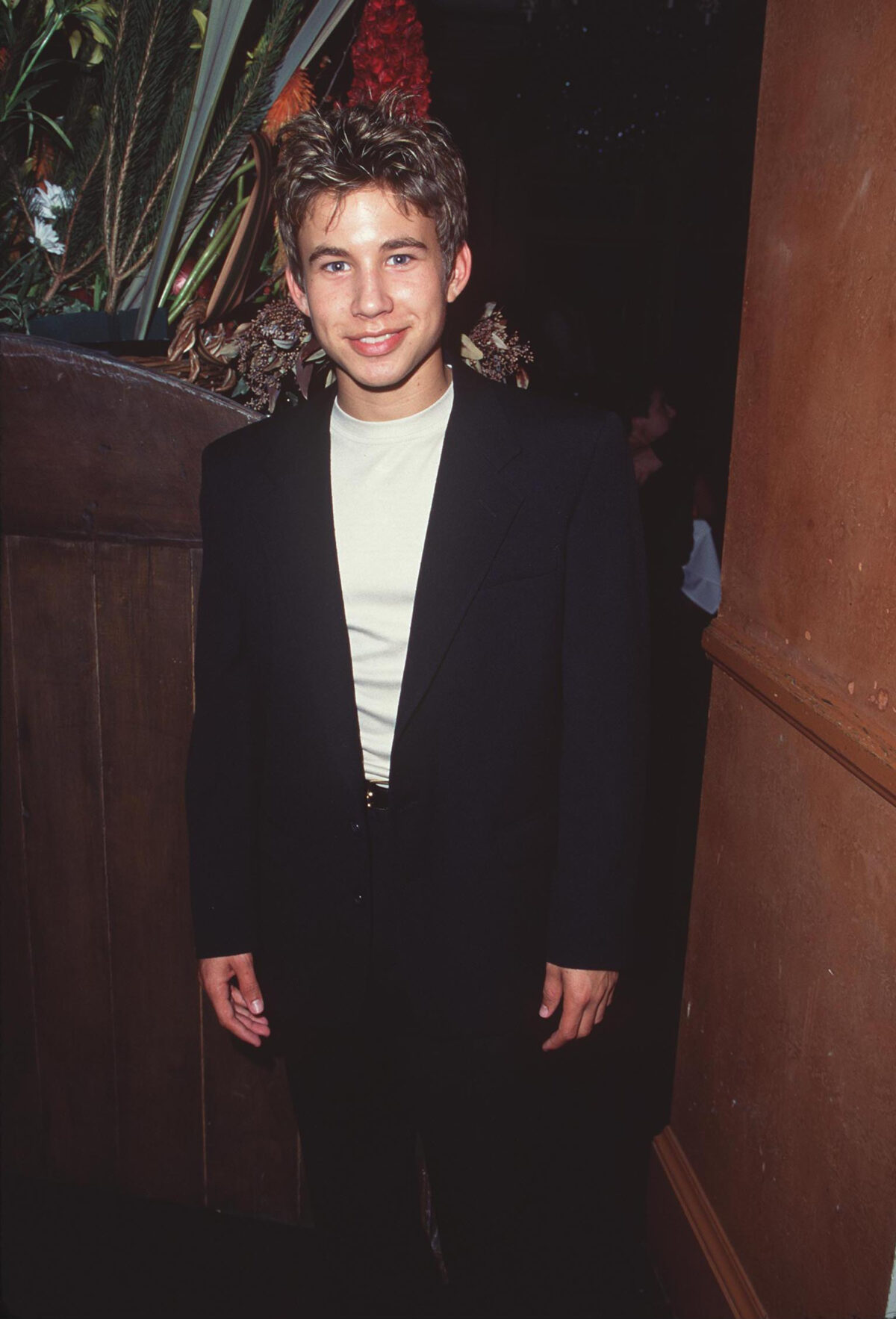
Jonathan Taylor Thomas Detained After Late-Night DUI Stop, Case Still Unresolved

by


Jonathan Taylor Thomas was a passenger, not the driver, when deputies pulled alongside a car blocking traffic at a green light near Westlake Boulevard and Townsgate Road in Westlake Village, California, shortly after midnight on Sept. 21. Deputies had approached only to check on the driver, who showed signs of possible intoxication, launching a routine DUI investigation that, at that moment, had nothing to do with the man sitting quietly beside him… Continue Reading ⬇️

…until Thomas himself began repeatedly stepping out of the vehicle despite being told to stay inside, according to deputies, pulling their attention away from the driver and turning a routine stop into a lengthy detention that eventually led to his own arrest and more than a day in custody.

3 min read
Thomas occasionally returned to Hollywood on his own terms, including both acting in and directing episodes of Tim Allen’s “Last Man Standing” years after leaving weekly television behind. | Source: Getty Images

A Late-Night Traffic Stop Takes an Unexpected Turn

Deputies first approached the vehicle at 12:30 a.m. after noticing it blocking traffic, and their initial DUI investigation was focused entirely on the driver.

At that point, Thomas was simply the passenger. The situation could have ended there, with attention remaining on the driver, who was ultimately arrested on suspicion of DUI.

From Passenger to the Center of the Investigation

Despite being told to stay inside, Thomas kept leaving his seat and approaching deputies, further pulling their attention from the driver they were investigating.

Authorities said Thomas appeared intoxicated and failed to follow their instructions. As officials later described it, “He was uncooperative with them, failed to follow orders, and obstructed the investigation, so he was arrested for obstruction, and he was arrested for drunk in public.”

As deputies moved to detain him, the encounter allegedly turned physical. Thomas is accused of kicking one of the deputies in the stomach during the struggle, according to the account of what happened that night.

Booking, Detention, and Release

Jail records placed Thomas’s detention at 12:32 a.m., just minutes after deputies first approached the car. He was booked at 1:50 a.m. at the Malibu/Lost Hills Sheriff’s Station on Monday, Sept. 21.

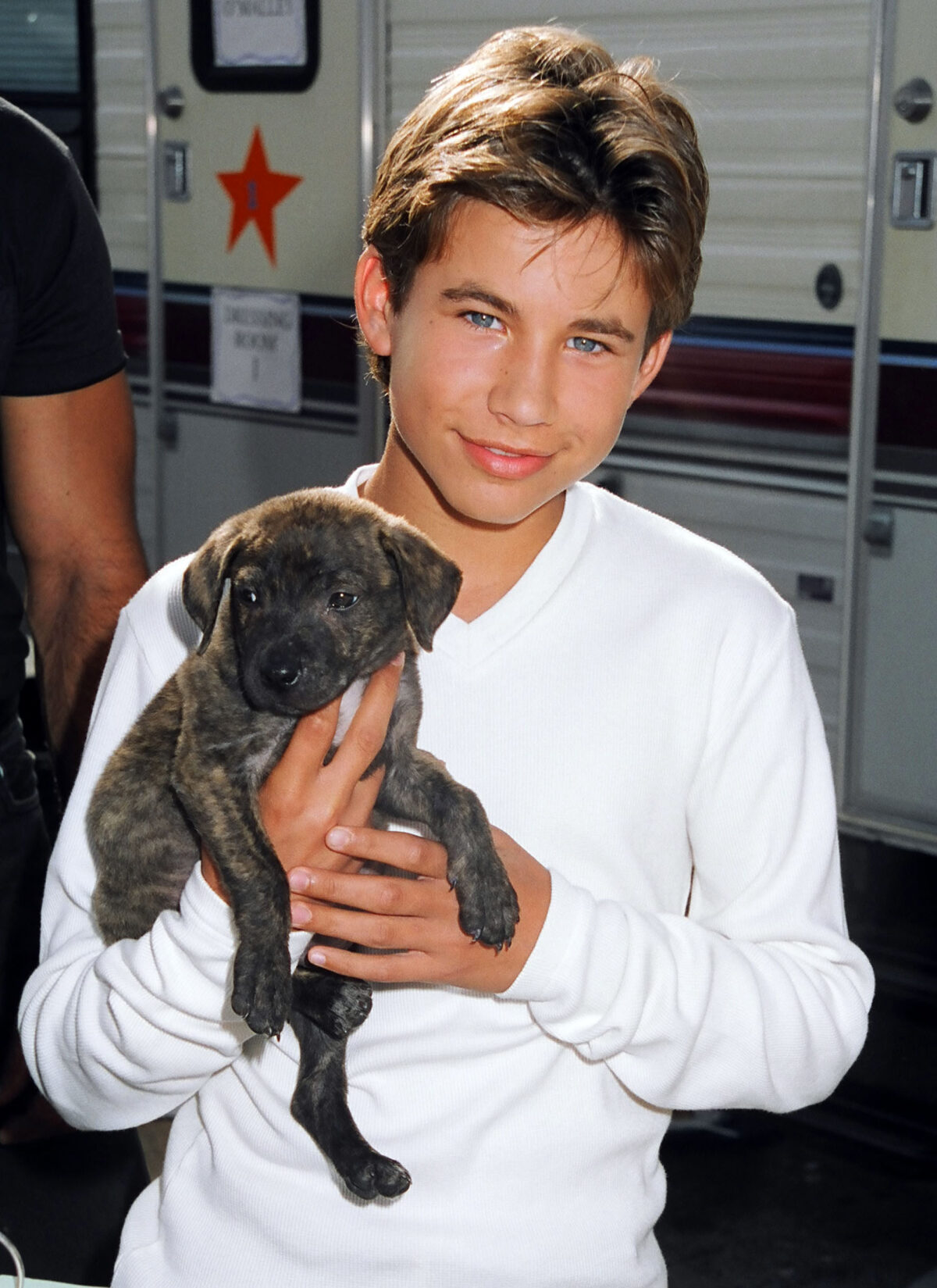
hile still appearing every week as Randy Taylor, Thomas voiced young Simba in Disney’s 1994 blockbuster “The Lion King,” giving him 2 defining roles before he was even an adult. | Source: Getty Images

He did not leave shortly after. Thomas remained in custody for more than 34 hours before being released Tuesday afternoon.

By the time he walked out, no formal criminal complaint had been filed against him despite the allegations of obstruction, public intoxication, and the alleged kick. Officials also reclassified the incident as a detention rather than an arrest, shifting how the encounter would be officially recorded.

Where the Case Stands Now

As of Sept. 24, no charges had been filed against Thomas. The case was expected to be presented to county prosecutors, leaving the final decision on whether to pursue any of the allegations still pending.

Detectives asked anyone who witnessed the altercation or had relevant information to come forward. The investigation remained open even after Thomas’s release and the reclassification of the incident.

The timing added an unusual contrast to the story. Only weeks earlier, over the summer, Thomas had appeared in a rare reunion photo with Patricia Richardson and Taran Noah Smith, his former Home Improvement co-stars, in a moment defined by nostalgia rather than controversy.

For now, the legal outcome remains undecided. Thomas is out of custody, the case has not been formally charged, and whether prosecutors move forward is still an open question.

Backlash Erupts After Megyn Kelly Criticizes Cindy Crawford’s Parenting Following Son’s Death

by


Cindy Crawford’s only son, Presley Gerber, died Sunday at age 27, leaving his family to grieve privately while tributes poured in from fans and friends across social media. But as condolences continued to spread, a former Fox News host chose a starkly different response, using her podcast platform to weigh in on the tragedy in a way that quickly overshadowed the outpouring of sympathy and ignited a wave of backlash few saw coming… Continue Reading ⬇️

It was Megyn Kelly who, instead of offering condolences, turned her attention to Cindy Crawford’s parenting in the wake of her son’s death, a decision that drew swift and pointed condemnation from social media users who called her remarks cruel and poorly timed.

4 min read

Presley Gerber’s Death

Presley Gerber, the son of supermodel Cindy Crawford and businessman Rande Gerber, died Sunday in what has been described as a suspected overdose. He passed away at a rehabilitation clinic in Santa Monica, California.

Following his death, the family released a brief statement asking for privacy. They said they were “asking for privacy during this very difficult and painful time.” No further details about the circumstances have been shared publicly.

Megyn Kelly’s Controversial Comments

On Monday, Megyn Kelly addressed Presley’s death on her podcast, The Megyn Kelly Show, but rather than offering condolences, she turned her attention to Crawford’s parenting choices. Kelly pointed to Presley’s early entry into modeling as evidence of poor judgment.

“Let’s face it, both kids were commercialized. He said he was signed when he was 15. And Cindy Crawford of all people should have known the dangers of that. She should have known the dangers,” Kelly said.

She went further, referencing a face tattoo Presley got in 2020 reading “misunderstood.” “When your 21-year-old son is getting a face tattoo and the word he chooses to tattoo is ‘misunderstood,’ you’ve got serious problems in your family,” Kelly continued. “That’s an all-hands-on-deck situation.”

Kelly later shared a clip of her remarks on X. The response was overwhelmingly critical.

Public Backlash

Social media users quickly condemned Kelly’s comments, with many calling them vile, disgusting, cruel and despicable. Commenters argued that criticizing grieving parents so soon after their son’s death crossed a line that had nothing to do with insight or accountability.

One user wrote, “You are a trash human. Who do you think you are to criticize a mother after she lost her son. Fact: people die from drugs every day. Career, class, parenting do not matter.”

Another questioned Kelly’s judgment directly: “What is wrong with you? Disrespecting the parents of their beloved, dead son. Your kids are still small. I hope you never experience this type of loss and then have some mouthpiece opine about the parents’ failure. Sick.”

A third commenter framed Kelly’s remarks as cruelty disguised as commentary: “A young man is dead, and your first instinct is to critique his parents. This isn’t insight. It’s cruelty dressed up as commentary.”

Others echoed similar sentiments. “I will not listen because if you are bashing the mother or the parents the day of their son’s dead by addiction your level of compassion is less than zero. You are a despicable human being,” one user wrote, while another simply pleaded, “Please just leave them alone. This is such a sad and tragic experience for a family to go through. Some empathy, PLEASE.”

Personal Stories and Continued Criticism

Several commenters shared personal connections to addiction as they pushed back on Kelly’s framing. “As the mother of an addict, my heart is broken for the Gerber family. Addiction doesn’t care who you are or where you come from. Then add mental health struggles, and it becomes every parents’ worst nightmare,” one user said.

Another user urged restraint until Kelly’s own children reached adulthood: “I think you should hold judgment until your kids are in their mid-20s. Addiction can happen to anyone. Shaming a whole family who just lost a child they loved is absolutely disgusting. You are so ignorant.”

One of the more direct responses summed up the broader reaction in a single line: “You are vile and disgusting. Did I mention soulless?”

The Gerber family’s request for privacy remains their only public statement following Presley’s death.

Peter Cullen, the Voice of Optimus Prime, Dies at 85

by


For generations of fans, one deep, steady voice meant courage, leadership and heart long before they ever knew the man behind it. Peter Cullen, best known for bringing Optimus Prime to life, has died at 85, surrounded by loved ones at the end of a career that shaped childhoods across decades… Continue Reading ⬇️

He passed away peacefully at his home in Los Angeles, surrounded by his family, closing out a six-decade career spent giving voice to some of animation and television’s most enduring characters.

A Voice That Defined Generations

Cullen first spoke as Optimus Prime in the original 1984 Transformers animated series, instantly becoming the sound of heroism for a generation of young viewers. That voice never faded from memory.

He returned to the role decades later for the live-action Transformers films, reprising Optimus Prime in the 2007 feature and again in 2023’s Rise of the Beasts, carrying the character across new generations of moviegoers.

A Career Beyond Optimus Prime

Optimus Prime was far from Cullen’s only mark on popular culture. He also voiced Eeyore in Winnie the Pooh, lending warmth and gentle melancholy to one of children’s literature’s most beloved characters.

His range extended further still, including voicing KARR in Knight Rider, among many other memorable roles that filled out a body of work spanning six decades in film and television.

Remembering His Legacy

Cullen’s family asked that his legacy be remembered not only through his characters, but through compassion, integrity and loyalty.

For millions who grew up with his voice, that deep, familiar sound will always be Optimus Prime. Rest in peace, Peter Cullen.

French Actress Marina Vlady, Cannes Best Actress Winner, Dies at 88

by


French actress Marina Vlady, whose career spanned more than eighty films and earned her the top acting prize at the Cannes Film Festival, has died at home surrounded by family and her beloved animals. Her children confirmed the news to AFP, describing a life that was fully and richly lived… Continue Reading ⬇️

They called it, in their words, “long and beautiful.” Vlady died on Thursday at the age of 88, closing out a career that carried her from the Paris Opera’s dance floors to some of European cinema’s most celebrated sets.

3 min read

A Celebrated Career on Screen

Vlady’s breakthrough came in 1963, when she won the Best Actress award at Cannes for her performance in The Conjugal Bed. The role also brought her a Golden Globe, cementing her place among France’s leading actresses of the era.

Two years later, she took on one of her rare English-language roles, appearing in Orson Welles’ Shakespeare adaptation Chimes at Midnight in 1965. Throughout her career, she worked alongside major figures in international film, including French New Wave director Jean-Luc Godard.

Vlady’s early roles often leaned on her beauty, casting her as seductive or rebellious young women. She later pushed beyond that typecasting, moving deliberately between commercial films and more ambitious projects, working with some of the most respected directors of her generation.

Early Life and Family

Born Catherine Marina de Poliakoff-Ba茂daroff in 1938 in Clichy, near Paris, Vlady came from a family of Russian immigrants who had fled after the revolution. Her father, Vladimir Poliakoff, was an opera singer and former French military aviator. Her mother, Militza, had once danced with the ballet.

All four Poliakoff sisters would go on to build careers in the arts. Vlady left school at just 12 years old and trained as a dancer at the Paris Opera, beginning her acting career as a child. At only 16, she received the Suzanne Bianchetti Prize, an honor recognizing France’s most promising young actresses.

Beyond acting, Vlady pursued music as well, recording two albums together with her sisters.

Activism and Personal Life

Vlady’s life extended well beyond film sets. She was an outspoken opponent of the Algerian War and campaigned in support of migrant and housing rights. At a time when abortion remained illegal in France, she advocated openly for abortion rights and joined protests against the deportation of Arab workers.

Her personal life included a decade-long, long-distance romance with Soviet singer, actor and poet Vladimir Vysotsky. She later chronicled that relationship in her memoir Vladimir, or the Aborted Flight, and their bond is said to have inspired several of Vysotsky’s songs.

Later in life, Vlady partnered with physician and political activist L茅on Schwartzenberg. Together, the two helped establish DAL (Droit au logement), an organization dedicated to advancing housing rights in France.

From her acclaimed film work and international honors to her music, activism and personal life, Marina Vlady leaves behind a legacy that reached well beyond the screen. She was 88.

Why This Timeless Name Continues to Appeal to Families Around the World

by

Why the Name Sophia Has Captivated Parents Around the World for Generations

Choosing a name for a baby can be one of the most meaningful decisions parents make. Some families search for something unusual, while others are drawn to names with history, elegance and a meaning that can endure for generations…. Continue Reading ⬇️

And one name continues to stand out: Sophia.

With its soft pronunciation and instantly recognizable sound, Sophia has become a favorite among parents in many parts of the world. Yet its appeal goes much deeper than simply sounding beautiful.

The name has ancient roots and carries a powerful meaning that has helped it remain relevant for centuries.

Sophia comes from the ancient Greek word soph铆a, meaning “wisdom.”

That simple meaning has given the name a lasting association with intelligence, knowledge, clarity and thoughtful judgment. Rather than being tied to a passing naming trend, Sophia carries centuries of history behind it.

Its sound may be another reason the name has remained so attractive.

Sophia has a gentle rhythm that feels elegant without being overly formal. It works just as naturally for a young child as it does for an adult, giving parents a name that doesn’t feel limited to one stage of life.

Of course, whether a name sounds beautiful is ultimately subjective.

Language, culture, family traditions and personal experiences can dramatically influence how someone responds to a particular name. A name considered especially melodic in one language may sound completely different in another.

Still, Sophia has one major advantage: it travels remarkably well.

Different versions of the name appear across numerous countries and languages.

Sophia is common in English-speaking communities, while Sofia is widely used internationally. Sof铆a is familiar throughout Spanish-speaking cultures, and Sophie has developed its own enduring popularity.

These variations allow families to adapt the name to their own linguistic or cultural traditions without losing its recognizable identity.

That international flexibility has helped Sophia become the rare name that can simultaneously feel traditional and contemporary.

A Sophia could belong to almost any generation.

The name has ancient origins, yet it doesn’t necessarily sound old-fashioned. It can appear alongside modern baby names without feeling out of place, while still carrying the history many parents seek when choosing something meaningful.

There are occasionally claims suggesting Sophia is relatively uncommon worldwide, but statistics like these should be approached carefully.

Baby-name figures can vary dramatically depending on the country, year and spelling being counted.

For example, a database that counts only “Sophia” may exclude thousands of children named Sofia, Sof铆a or another regional variation. A name could also be uncommon in one country while ranking among the most frequently chosen names somewhere else.

What is clear is that Sophia and its variations have enjoyed substantial popularity internationally.

And perhaps that shouldn’t be surprising.

Parents often look for a name that accomplishes several things at once.

They want something beautiful but meaningful.

Familiar but not dull.

Traditional but still appropriate for a child growing up today.

Sophia manages to combine many of those qualities in just three syllables.

Its meaning — wisdom — also gives parents something more substantial than sound alone.

A name cannot determine who a child eventually becomes, of course, but many parents enjoy choosing one that represents a quality they admire or hope their child will carry through life.

Wisdom is certainly one of those qualities.

That may be the real secret behind Sophia’s remarkable staying power.

Naming trends constantly change. Names can suddenly become fashionable, dominate birth announcements for several years and then gradually disappear.

Sophia has proven far more resilient.

Its roots stretch back centuries, its variations cross cultural and linguistic boundaries, and its meaning remains just as positive today as it was generations ago.

Ultimately, there is no scientifically definitive “most beautiful” baby name because beauty remains personal.

But Sophia’s enduring popularity is difficult to ignore.

For families who choose it, Sophia isn’t simply an elegant collection of sounds.

It is a name connected to history, wisdom and generations of tradition — while somehow still sounding perfectly at home in the modern world.

And that unusual combination may explain why, after centuries of changing fashions, Sophia continues to capture parents’ hearts.

Remembering a Beloved Television Star — A Look Back at His Memorable Career and Lasting Legacy

by


Nicholas Brendon, the actor best known for bringing Xander Harris to life on Buffy the Vampire Slayer, has died at the age of 54. His passing marked the loss of a familiar television presence whose work became part of the lives of millions of viewers. Brendon’s family announced that he died in his sleep, and later reporting from the coroner confirmed that his death was from natural causes. The news brought an outpouring of memories from people who had followed his career for decades.
For many fans, Brendon will always be connected with Xander Harris, the witty and sometimes uncertain friend who stood beside Buffy and the rest of the Scooby Gang. Unlike many characters in the supernatural world of the series, Xander had no special powers. His strength came from his loyalty, humor, courage, and willingness to help the people around him. Brendon’s performance helped make the character relatable and gave the series an important human perspective.

Brendon appeared in nearly every episode of Buffy the Vampire Slayer during its seven-season run, becoming one of the show’s most recognizable cast members. The series, which premiered in the late 1990s, developed a devoted audience and remained influential long after its original television run ended. Brendon’s portrayal of Xander was an important part of that lasting connection.
His career continued beyond Buffy. Brendon later appeared in television projects including Kitchen Confidential and Criminal Minds, where he played technical analyst Kevin Lynch. He also worked in other television and film productions, giving audiences the opportunity to see different sides of his acting abilities. For viewers discovering his work years later, these roles offered another reminder of the range he brought to the screen.

In the years before his death, Brendon faced several significant personal and health challenges. His family had spoken about his passion for painting and art, describing him as someone who remained creative and driven. Later reporting also revealed that he had experienced serious cardiovascular and other health problems. The coroner ultimately determined that cardiovascular disease was the primary cause of death, while acute pneumonia and a previous heart attack were contributing factors.

Away from the headlines, Brendon leaves behind a body of work that continues to be revisited by television audiences. His portrayal of Xander gave viewers a character who was imperfect but dependable, humorous but vulnerable, and often brave when circumstances demanded it. That combination helped make the role memorable and allowed audiences to connect with him in a personal way.

Nicholas Brendon’s career was shaped by both opportunity and difficulty, but his performances remain part of television history. For longtime Buffy the Vampire Slayer viewers, his work represents a familiar era of television and a character who helped make an extraordinary story feel grounded in ordinary friendship.

His family has asked for privacy as they remember him. Meanwhile, viewers around the world continue to revisit his performances and remember the actor through the characters he brought to life. His work as Xander Harris, along with his later roles, ensures that Nicholas Brendon’s contribution to television will continue to be remembered by generations of fans.


He just wanted to rest with his baby in his arms. A quiet dawn, a tired father, a two‑month‑old boy finally asleep on his chest. Then, in a moment he doesn’t even remember, everything shattered. A thud. Silence. Despair. Now, in a neighborhood gripped by grief and suspicion, police are trying to understand whether this was only a terr… Continues…


What started as an ordinary Saturday morning quickly spiraled into a mystery that nearly shook the foundation of a marriage. There was no dramatic confession, suspicious lipstick stain, or late-night phone call. Instead, it began with something far more mundane: laundry. Like countless weekends before, the routine felt automatic. Coffee brewed in the kitchen before sunrise because Ethan hated “wasting mornings.” Music played softly in the background while baskets of clothes moved from room to room. Everything felt predictable, familiar, and safe. But while turning out the pockets of Ethan’s jeans, something cold and heavy suddenly dropped into my hand — a sharp metal object unlike anything I had ever seen before.

At first glance, it looked almost dangerous. The object was small, only a couple inches long, but it had a pointed tip and threaded end that made it feel oddly threatening. My mind instantly raced toward worst-case scenarios. Was it part of a weapon? Something illegal? I called Ethan immediately, expecting a simple explanation, but his strange reaction only fueled my anxiety. Instead of identifying it, he laughed awkwardly and said, “Probably nothing.” That uncertainty transformed an ordinary object into something unsettling. The more I stared at it, the more suspicious I became. Suddenly, little details about Ethan’s recent behavior seemed different — the late evenings, the quiet moods, the unexplained weekend outings.

By the next day, curiosity finally led me to search the tiny engraved brand name on the object. Within seconds, the mystery was solved. It wasn’t a weapon at all. It was an archery field point — a detachable tip used for target practice arrows. Relief washed over me instantly, but confusion followed close behind. Why would Ethan hide something so harmless? When confronted, he finally admitted the truth. Months earlier, overwhelmed by stress and constant pressure at work, he had discovered a local archery range. The quiet focus of the sport helped calm his mind in a way nothing else could. He kept it private not because he was hiding betrayal, but because it felt deeply personal.

That strange little metal object became an unexpected reminder that even in long marriages, people still carry hidden parts of themselves waiting to be understood rather than feared.


The actor best known for playing Lamont Sanford on the classic television comedy Sanford and Son Demond Wilson, has died at the age of 79. His passing marked the end of a remarkable career that stretched across television, film, theater, writing, and ministry. For generations of viewers, Wilson remained closely associated with Lamont, the thoughtful and often practical son who shared the screen with comedy legend Redd Foxx. His performance helped make the series one of the most recognizable sitcoms of its era.

Born Grady Demond Wilson on October 13, 1946, Wilson grew up in New York City after being born in Valdosta, Georgia. His interest in performing began remarkably early. As a child, he appeared on Broadway and developed skills in dance and theater. He also performed at the historic Apollo Theater in Harlem, experiences that gave him an early connection to the entertainment world. Those beginnings eventually led him toward television and film, where he would build a career that became familiar to audiences across the country.

Wilson’s major television breakthrough came in 1972 when he was cast as Lamont Sanford in Sanford and Son. The series followed the humorous and sometimes complicated relationship between Lamont and his father, Fred Sanford, played by Redd Foxx. Wilson’s calm, straight-talking style provided an important contrast to Foxx’s energetic comedy. The combination became one of the show’s defining features, helping Sanford and Son become a major television success during its six-season run.

Although Lamont Sanford became his signature role, Wilson continued working in entertainment after the sitcom ended. He appeared in other television programs and took on additional acting opportunities, including roles in Baby… I’m Back! and The New Odd Couple. He also appeared in films and made later television appearances. His career demonstrated that he was more than a single character, even though Lamont remained the role most closely connected with his name.

During the 1980s, Wilson made an important change in his professional life and became an ordained minister. He stepped away from the entertainment industry for a period and devoted significant attention to ministry, writing, family, and community work. His later career also included authorship, with Wilson writing books and sharing parts of his personal experiences and reflections with readers. He eventually returned to acting on occasion, including a later appearance in the television series Eleanor’s Bench.

Wilson was also a husband and father. He and his wife, Cicely, raised six children, and family remained an important part of his life outside the spotlight. Through different chapters of his life, he moved between entertainment, writing, and ministry while maintaining a career that reached far beyond his most famous television character. His journey showed how a performer could successfully build a new chapter after achieving early fame.

Demond Wilson died on January 30, 2026, at his home in the Palm Springs area of California, at the age of 79. His death was confirmed by his longtime publicist, and reports said he died following complications related to cancer. Wilson leaves behind a body of work that continues to introduce his talent to new generations through television reruns and archived performances.

For viewers who remember Sanford and Son, Demond Wilson will forever be remembered as Lamont Sanford, but his life was much broader than one beloved sitcom role. He was an actor, author, minister, husband, and father whose career evolved through several different stages. From his early days on the stage to his television success and later work outside Hollywood, Wilson built a life filled with different chapters. His contribution to classic television remains an enduring part of his legacy.


The lie didn’t begin with a diagnosis. It began with three handwritten words on a crumpled medical report: “She is in pain.” I found the paper in our kitchen weeks after my husband had insisted our daughter was simply being dramatic.

For months, our daughter had complained about headaches, exhaustion, and strange pains. Her father kept telling me she was stressed and needed more sleep. I wanted to believe him. Then one night, I found her crying behind her bedroom door.

I took her to another doctor myself. The tests revealed what we had missed: she had a serious medical condition that needed immediate treatment. I felt relief that we finally had an answer, followed by anger when I learned her earlier symptoms had been documented.

My husband had seen the warnings. He had read the reports. He had even written those three words himself. But instead of telling me how serious things were, he convinced himself—and me—that our daughter would be fine.

When I confronted him, he broke down. He admitted he had been terrified. He feared the diagnosis would destroy our family, so he chose denial instead of honesty. But his fear had cost our daughter precious time.

Treatment was difficult. There were hospital visits, frightening nights, and moments when none of us knew what the future would look like. Yet our daughter kept fighting, and slowly, she began getting stronger.

The hardest part was rebuilding trust. Her father apologized, but he understood that words alone weren’t enough. He began listening whenever she spoke, asking questions instead of dismissing her, and never again assuming her pain was something she should simply endure.

Years later, our daughter became a nurse. On her badge, she kept a small card that read: “Listen when someone says it hurts.”

I realized then that the diagnosis had not destroyed our family. The lie almost had. And sometimes, the greatest healing begins when someone finally chooses to believe you.


When you receive a wedding invitation or formal event invitation, you may notice an RSVP card with a line beginning with the letter “M.” This traditional format can seem confusing, but its meaning is simple: the “M” is the beginning of a courtesy title.

Guests traditionally complete the line by adding their preferred title and then writing their name. For example, someone might write “Mr.,” “Mrs.,” “Ms.,” or “Miss.” The “M” is not a question or a meal choice; it is simply provided as the starting point for the title.

This tradition comes from older invitation etiquette, when formal titles were commonly used when addressing guests. Today, invitation styles are more flexible, and many hosts use simpler wording such as “Name” or “Guest Name.”
If the traditional “M” format does not suit you, you can write the title you prefer or simply provide your name. The main purpose of the line is to identify who is responding.

When completing an RSVP card, follow the host’s instructions carefully. Confirm whether you will attend, list the invited guests, and answer any questions about meals, dietary preferences, or other details.
Ultimately, the “M” on an RSVP card is simply a traditional abbreviation for a courtesy title. It is easy to complete and is intended to make the response clear and respectful.


Authorities have confirmed that a 33-year-old woman passed away following a serious traffic collision involving a large truck on a state highway earlier today. The incident occurred during the morning rush hour, leading to significant traffic delays and a major emergency response.

According to initial reports, the woman’s vehicle and the truck collided under circumstances that are still being investigated. Witnesses at the scene described the impact as severe, prompting immediate intervention from police, firefighters, and paramedics. Despite their quick arrival, the woman could not be saved.

Investigators are now examining possible causes, including road conditions, mechanical failure, or driver distraction. Authorities have also reviewed surveillance footage from nearby businesses and are interviewing witnesses to piece together the events leading up to the crash.

Local residents and drivers have expressed sorrow over the incident, calling for greater road safety measures along the highway, which has seen multiple accidents in recent months. Officials continue to urge drivers to remain cautious and follow all safety regulations to prevent further tragedies.


A toad appearing in your yard or home is usually drawn by simple needs: moisture, shelter, and a steady supply of insects. Gardens, potted plants, shaded corners, and outdoor lights attract them, especially after rain or on humid evenings. These small amphibians are harmless, shy, and non-aggressive, naturally helping control pests like mosquitoes, flies, and other insects. Their presence often signals a healthy, balanced ecosystem, showing that nature thrives even in small spaces.

Toads prefer cool, damp areas where they can stay hidden during the day and become active at night. Seeing one regularly indicates your yard provides the right conditions. Far from a nuisance, they quietly maintain natural harmony, reducing the need for chemical pest control and helping gardens flourish.

For gardeners and homeowners alike, toads are unexpected but welcome allies. They support the well-being of plants, soil, and other wildlife, blending seamlessly into the natural rhythm of your outdoor spaces. Their quiet presence is a subtle form of pest management and ecological balance.
Beyond ecology, toads carry symbolic meaning across cultures. Their life cycle—from water-dwelling tadpole to land-dwelling adult—represents transformation and growth. Many traditions associate them with renewal, adaptability, and navigating change.

In Feng Shui, toads are linked to prosperity and opportunities, while other beliefs see them as gentle cleansers of stagnant energy, encouraging a healthy flow of life and positivity. Their symbolic presence adds layers of meaning to what might seem like a simple garden visitor.
Observing toads can foster mindfulness, offering moments to pause and appreciate small wonders in your environment. Their habits and movements connect you to natural rhythms that often go unnoticed in daily life.
A toad’s presence, whether through its ecological role or symbolic significance, is a reminder that life persists and adapts. It encourages respect for balance and growth, showing how even small creatures play vital roles.
Embracing these quiet neighbors helps cultivate curiosity, patience, and a deeper connection with the cycles of nature surrounding your home, blending practical benefit with thoughtful reflection.Read more below..


In 1857, in the Brazilian town of Vassouras, a woman named Benedita was presented for sale in a system built on cruelty and dehumanization. Her unusual height and physical strength made her stand out, but instead of making her more valuable in the eyes of buyers, those qualities reportedly caused fear and rejection. People whispered that she was difficult to control, leaving her facing yet another humiliation in a life already shaped by enslavement.

As potential buyers turned away and the price continued to fall, the scene became a painful reflection of how enslaved people were treated as commodities rather than human beings. Benedita’s strength, which should have been a source of dignity, was instead used against her. The silence surrounding her sale seemed to suggest that even within an unjust system, she was being judged as somehow undesirable.

Then Joaquim Lacerda made a quiet bid. Rather than seeing Benedita only as a problem, he recognized the strength and potential that others had overlooked. His decision did not make the institution of slavery less brutal, nor did it erase the suffering Benedita had endured. But within the circumstances of the story, his choice changed the direction of her life and gave her a different path from the one the crowd seemed ready to impose.

Stories like this are difficult reminders of how deeply slavery reduced human lives to prices, ownership, and control. Yet they can also draw attention to the resilience of people who endured systems designed to strip them of dignity. Benedita’s story, whether remembered through records or retold through generations, speaks to something larger than the moment of her sale: the human capacity to survive, resist dehumanization, and reclaim a sense of worth even under extraordinarily cruel conditions.


The National Hurricane Center has begun issuing advisories for Potential Tropical Cyclone Nine, with forecasters expecting the system to strengthen into Tropical Storm Helene. The disturbance is currently producing thunderstorms across the northwestern Caribbean, and meteorologists are watching for a more organized center of circulation as conditions remain favorable for development.

Forecasts indicate that Helene could move northward through the Yucat谩n Channel before entering the Gulf of Mexico, where warmer waters and favorable atmospheric conditions may allow further strengthening. Current models suggest a potential track toward Florida, although small changes in the storm’s path could significantly alter which areas experience the strongest impacts.

As the system approaches land, forecasters are monitoring the possibility of hurricane-strength winds, heavy rainfall, and storm surge. Flooding could also become a concern, including in areas well away from the storm’s center, as rain bands may produce intense precipitation and localized flash flooding.

Residents across Florida, Georgia, and South Carolina are encouraged to monitor official forecasts and remain prepared for changing conditions. Reviewing emergency plans, gathering essential supplies, and following guidance from local officials can help communities respond effectively if the storm continues to strengthen and move toward the coast.

With heavy hearts, we announce the passing of this beloved actress and TV legend

by


Christy Knowings, the beloved actress and comedian best known for Nickelodeon’s All That, has died at 46 following an asthma attack that reportedly caused severe brain damage. According to reports, Knowings was hospitalized on August 7 and placed on life support. Four days later, her family made the heartbreaking decision to remove her from life support. Her aunt, Tyleah Joseph, announced the devastating news, remembering her as an outstanding actress, comedian, twin sister and daughter.

A Bronx native, Knowings joined All That in 1997 after being encouraged by her twin brother to audition. She went on to appear in more than 30 episodes, sharing the screen with future stars including Kenan Thompson, Kel Mitchell, Nick Cannon, Lori Beth Denberg and Amanda Bynes. One of her most memorable sketches was “Whateverrr!” with Bynes, where the two played boy-crazy girls who became fan favorites.

Knowings was more than a comedian. She was also a singer, dancer and writer, later appearing on Sesame Street with her twin brother and releasing music of her own. She often spoke proudly about the diversity of the All That cast and the cultural perspective she brought as a Native American Afro-Latina from the Bronx. Her former castmates remembered her as talented, funny and full of energy.

Kenan Thompson shared his heartbreak after learning of her death, writing that the news “hit hard” and remembering Knowings as “one of the funniest people.” For the generation that grew up watching All That, her passing is a heartbreaking loss. She helped create countless childhood memories, and her humor and unique talent will continue to live on through the show and the fans who never forgot her.


Theodore Sloan, the lawyer Walter had trusted for years, arrived at Gloria’s home carrying his own folder. Bianca immediately became nervous, while Kevin looked pale and uncomfortable. Gloria calmly introduced Theodore as the attorney who had handled her and Walter’s legal documents. She explained that since everyone intended to sign papers that morning, she wanted everything done properly and transparently.

Before anyone could sign, Theodore insisted on reading Bianca’s documents aloud, explaining that Gloria deserved to understand every word before putting her name anywhere. CONTINUE READING


Darrell “The Gambler” Sheets became one of the recognizable personalities associated with the reality television series Storage Wars. Known for his confident approach to storage auctions, Sheets brought an energetic personality and a willingness to take chances to a television format built around uncertainty. His story connected with viewers because every auction presented a new question: would an abandoned storage unit contain something valuable, or would the purchase turn out to be a costly lesson?

The basic concept of storage auctions is simple, but the decisions involved can be surprisingly challenging. Buyers typically have only a limited opportunity to look at the contents of a unit before placing a bid. They cannot simply open every box or examine every item in advance. Instead, they must make an educated judgment based on what they can see. For someone like Sheets, that uncertainty became part of the excitement. His willingness to trust his instincts helped create some of the memorable moments associated with his time on television.

Sheets earned the nickname “The Gambler” because of the way he approached auctions. Rather than always choosing the safest option, he was willing to compete for units when he believed there could be something worthwhile inside. That approach naturally created suspense. A successful purchase could lead to valuable discoveries, while an unsuccessful one could leave a buyer with expenses, work, and items that were difficult to sell. The contrast between those possibilities became an important part of the entertainment surrounding the series.

Another important part of Sheets’ television story was his relationship with his son, Brandon. Their work together gave the auction business a family dimension. Instead of simply focusing on buying and selling, their appearances showed how a parent and child could work together in a competitive environment. Auctions required communication, judgment, patience, and an understanding of when to take a chance. Those experiences also created opportunities for Brandon to learn about business and decision-making through firsthand experience.

The appeal of Storage Wars extended beyond the objects discovered inside storage units. Viewers were also interested in the personalities participating in the auctions. Each buyer developed a recognizable style, and Sheets stood out because of his confidence and energetic presence. His approach helped turn what might otherwise seem like an ordinary business transaction into compelling television. The uncertainty surrounding every purchase gave the audience a reason to keep watching and see what happened after the doors opened.

Over the years, Sheets became associated with the idea of taking calculated risks. His television persona demonstrated that success in the storage-auction business could require more than simply having money available to bid. Buyers needed to recognize potential value, understand resale possibilities, manage expenses, and accept that not every decision would work out. Those principles extend beyond television and can apply to many areas of business and everyday decision-making.

What makes Sheets’ story memorable is therefore not simply the possibility of finding valuable belongings in an abandoned unit. It is the combination of business, uncertainty, family, and personality that made his appearances distinctive. His partnership with Brandon added another layer to the story, showing how professional experiences could also become opportunities for family members to learn and grow together.

Darrell Sheets ultimately became part of the identity of Storage Wars through his recognizable personality and willingness to embrace uncertainty. His time on the series helped introduce audiences to a specialized world where every purchase carried a question mark and every locked door could lead to an unexpected discovery. Whether a particular bid resulted in a profitable find or a difficult lesson, the process itself provided the kind of unpredictability that made the series engaging for viewers.

His legacy within reality television is closely connected to that willingness to take a chance while facing an unknown outcome. By bringing his personality, experience, and family partnership to the screen, Sheets helped make storage auctions understandable and entertaining to a broad audience. His story remains a reminder that sometimes the most interesting part of a journey is not knowing what will be found when the doors finally open.


Beets earn their superfood status not for trendiness, but for their chemistry. Rich in natural nitrates, the body converts them into nitric oxide, which relaxes and widens blood vessels. This improves circulation, reduces strain on the heart, and delivers oxygen efficiently to muscles and organs. Athletes may see better endurance, older adults sharper focus, and anyone could experience more energy and less sluggishness.

Beets also provide fiber, essential for digestion and metabolic health. Fiber nourishes gut bacteria, helping regulate inflammation, immunity, and even mood. It also slows sugar absorption, reducing post-meal spikes. This makes beets helpful for energy balance and insulin sensitivity, while their earthy sweetness delivers nutrients quietly but effectively.

Their pigments, called betalains, combat chronic inflammation, a contributor to many long-term diseases. Betalains also support liver function, assisting in toxin filtering and fat processing. Rather than forcing dramatic changes, beets work gently to support the body’s natural systems, often leaving a feeling of lightness and clarity.

Beets are also packed with vitamins and minerals. Folate supports cell repair and healthy blood, potassium regulates fluid balance and nerves, manganese aids bone strength and metabolism, and iron helps with oxygen transport. These nutrients work together to maintain daily vitality in subtle but meaningful ways.

However, beets are helpers, not cures. They don’t erase body fat or instantly transform skin. Beet juice can raise blood sugar without fiber. Red or pink urine is a harmless side effect. People prone to kidney stones should monitor oxalate intake, and those on blood pressure medication should avoid excessive beet juice due to additive effects.

The true power of beets comes from regular inclusion in balanced meals. Roasted, grated in salads, blended into soups, or paired with grains and greens, beets integrate easily into everyday cooking.

Their benefits build gradually through consistent habits, not sudden extremes.

In this steady rhythm, beets reflect the essence of good nutrition: small, repeated choices that support long-term health. Humble but powerful, they quietly earn their superfood reputation.


Behind the polished veneer of suburban perfection lies a silent, suffocating epidemic that is shattering the hearts of a generation. You think you are giving your children everything—the best schools, the finest clothes, and a roadmap to success—but you are actually building a gilded cage. Every time you push for higher grades or demand they follow your precise blueprint, you are tearing them apart from the inside out. They are suffocating under the weight of your expectations, trading their authentic souls for your approval. You are losing them one day at a time, and the reason why will haunt you forever.

In the modern landscape of family dynamics, a quiet crisis is unfolding behind the closed doors of seemingly idyllic homes. It is a crisis not of material lack, but of an emotional deficit that is far more difficult to detect: the systematic erosion of unconditional love. For decades, parents have been misled, convinced that their primary role is to act as architects of their children’s lives, molding them into predetermined shapes that fit societal standards, academic benchmarks, or inherited family legacies. However, as we navigate 2026, the harsh reality is undeniable. This sculpting approach often overlooks the most critical requirement for human flourishing: the fundamental need for a child to be seen, heard, and accepted exactly as they are, without the looming shadow of performance.

The concept of being enough has become terrifyingly fragile for today’s youth. When a home is built on the foundation of expectations rather than empathy, the message received by the child is that love is merely a commodity to be earned through achievement. This creates a conditional environment where affection is inextricably linked to report cards, athletic prowess, or the forced suppression of one’s true personality. The psychological toll of this dynamic is catastrophic. Research in child development consistently demonstrates that a child’s long-term well-being depends entirely on the presence of emotional safety. Without this sanctuary, the home transforms into a high-stakes arena where the child must constantly mask their true self just to maintain the peace.

At its core, emotional safety is the invisible thread that holds the fabric of a healthy family together. It is the unwavering assurance that honesty will be welcomed even when it is uncomfortable, and that individuality will be honored even when it deviates from the family script. When a child feels that their home is a place where they can express themselves without the paralyzing fear of judgment or the withdrawal of affection, they develop an internal sense of security that serves as armor against a harsh world. This kind of environment builds a foundation of trust that cannot be manufactured through strict discipline or rigid control; it is nurtured through thousands of small, consistent acts of radical understanding and patience.

The scientific community has been sounding the alarm on the dangers of pressure-cooker parenting for years. Children who feel forced to meet unrealistic expectations or hide core parts of their identity are significantly more likely to experience chronic stress, debilitating anxiety, and a fractured sense of self-worth. They are learning to navigate life by external validation, constantly looking to others to tell them who they should be. In stark contrast, children who grow up in a nurturing environment where love is offered without strings attached demonstrate remarkable resilience. They are better equipped to navigate the inevitable challenges of adulthood because they possess a solid internal compass rooted in the profound knowledge that they are inherently valuable. They do not spend their lives starving for validation because they received the ultimate validation at home: the right to exist as their authentic, unedited selves.

Ultimately, the shift from a culture of judgment to a culture of radical empathy benefits more than just the individual child; it strengthens the entire community. When we prioritize understanding over control, we are raising a generation of confident, secure individuals who are capable of extending that same grace to others. A home rooted in kindness and open communication becomes fertile ground for the development of emotional intelligence, the very trait that defines leadership and meaningful relationships in the modern world. By choosing to listen instead of lecture, and to support instead of steer, parents can transform a house into a true foundation for a fulfilling life.

Creating this space requires a courageous departure from traditional power-over parenting models. It involves a commitment to curiosity, asking who are you? rather than dictating this is who you should be. It means acknowledging that a child’s path may look nothing like their parents’ path, and that this divergence is not a failure, but a triumph of individuality. In a world that is increasingly demanding and competitive, the home must remain the one sanctuary where the mask can be removed. If a child cannot be honest at the dinner table, they will eventually find a table where they can be—and often, those tables are found in places that lead far away from the family’s core values and safety.

The warning signs of a home lacking in emotional safety are often subtle. They manifest as a child who appears too perfect, a teen who has stopped sharing their day-to-day life, or a young adult who keeps their parents at a painful emotional distance. These are survival mechanisms, desperate attempts to protect the self from the sting of rejection. To break these patterns, parents must be willing to engage in the difficult work of self-reflection, examining their own biases and the conditions they may be unconsciously placing on their love. It is about realizing that the most powerful lesson a parent can teach is not how to follow a pre-written script, but how to write their own unique story.

As we look toward the future, the families that will thrive are those that embrace the acceptance model. These are the families that view mistakes as learning opportunities rather than character flaws, and that celebrate the unique quirks of every member. A home built on this level of acceptance becomes more than just a roof and four walls; it becomes a launchpad. It provides the psychological fuel necessary for a child to reach their full potential on their own terms. Love without conditions is the greatest gift a parent can give, and in 2026, it is the most revolutionary act of parenting possible. By choosing empathy, we are not just helping our children grow; we are ensuring that the bonds we build today will be strong enough to last a lifetime, regardless of what the future holds.


Nestled in Belleville, this Tudor-inspired Cape Cod home combines timeless character with thoughtful modern updates. From the traditional exterior to the spacious yard, the property offers a welcoming blend of charm, comfort, and flexibility.

Inside, wide plank flooring creates warmth throughout the home while complementing its classic design. The flexible living spaces provide room for family gatherings, quiet evenings, entertaining, or a home office. The layout also offers plenty of opportunities for owners to personalize the space according to their needs.
The updated kitchen balances modern practicality with the character of the home. Attractive cabinetry provides generous storage, while the clean layout makes everyday cooking and entertaining convenient. Natural light adds to the inviting atmosphere.

Upstairs, the spacious primary suite offers a private retreat away from the main living areas. The accompanying bathroom combines clean lines, tasteful fixtures, and functional design while maintaining the home’s overall aesthetic.
One of the property’s standout features is its deep lot. The expansive backyard offers plenty of possibilities for gardening, recreation, entertaining, or simply creating a peaceful outdoor retreat. There is enough space to imagine a play area, pet-friendly yard, garden, or private backyard oasis.

A detached garage adds even more versatility. In addition to providing secure parking and storage, it could serve as a workshop or hobby area.
The property’s appeal extends beyond its features. Belleville offers a welcoming community atmosphere with convenient access to local shops, schools, and everyday services. Residents can enjoy a quieter setting while remaining connected to the surrounding area.

With its Tudor-inspired exterior, updated kitchen, wide plank flooring, private upstairs suite, deep yard, and detached garage, this Belleville home offers a distinctive combination of classic character and modern functionality.
Whether intended as a family residence, entertaining space, or long-term investment, the property provides plenty of room to adapt and grow. For buyers seeking a home with personality, practical updates, and outdoor potential, this Cape Cod offers an inviting opportunity to create something truly personal.


His scream shattered the dawn, echoing across the silent cemetery. What woke him wasn’t just fear—it was something impossible. A soft glow wrapped around his mother’s grave, pulsing like a heartbeat beneath the earth. The air felt heavy, almost alive, and he knew something was happening that he couldn’t explain. He didn’t run. Every instinct told him to get away, but he stayed frozen in place.

The light grew stronger, yet it wasn’t harsh or blinding. It felt warm, steady, almost familiar, like something he had known long ago but forgotten.
Then came the feeling. Not a touch, not a voice, but something deeper. A quiet presence surrounded him, carrying a sense of comfort that reached beyond fear. It felt like memory itself had taken shape, wrapping around him gently.

His knees gave way, and he dropped beside the grave.
Emotions he had buried for years rose all at once—regret, love, and longing. Words he never said pressed against his chest, heavy and urgent.The glow didn’t intensify. Instead, it softened, becoming closer, more personal. It didn’t need a voice or a face. Somehow, he understood. The silence spoke in a way words never could.

Tears blurred his vision as something inside him finally loosened.
The pain he had carried for so long began to fade, replaced by a quiet sense of release. For the first time, he wasn’t searching anymore.
“I’m still here,” he whispered, unsure who needed to hear it most.
Then the light disappeared. The grave returned to cold stone, unchanged. But as he stood, he realized something within him had.


The sudden death of actress Hayden Panettiere has brought renewed attention to the circumstances surrounding her final hours. Panettiere, known for her memorable roles in Heroes and Nashville, died at the age of 36 in Greenville, South Carolina, on Sunday, August 16, 2026. Her death was confirmed by her representative, while authorities continue to investigate the circumstances.

According to reports, emergency services were contacted shortly before 2 p.m. after Panettiere was found unresponsive at a residence. Dispatch information described a medical emergency involving a woman in cardiac arrest. Emergency responders arrived at the location and began medical treatment.

Reports indicate that CPR and other emergency measures were performed as first responders worked to assist Panettiere. Despite those efforts, she was pronounced dead at the scene.

The release of dispatch audio has generated considerable public interest because it provides additional information about the emergency response. However, the audio itself does not establish an official cause of death.

Authorities have emphasized that the investigation is still ongoing. The Greenville Police Department has reported that the preliminary investigation has not indicated signs of foul play or suspicious circumstances. The official cause and manner of death remain pending further examination by the appropriate authorities.

Some media reports have referenced the possibility of an overdose based on information associated with the emergency call. It is important, however, to distinguish between preliminary information and an official medical finding. At this time, authorities have not publicly confirmed an overdose as the cause of Panettiere’s death. The final determination will depend on the medical examiner and the results of the investigation.

Panettiere had been open throughout her life about personal challenges and difficult experiences. In her 2026 memoir, This Is Me: A Reckoning, she discussed different parts of her journey, including her experiences with addiction, motherhood, and recovery. Her openness allowed many people to connect with her story and appreciate the determination she showed throughout difficult periods.

Her professional career began when she was a child, eventually leading to major television and film roles. She became widely recognized for playing Claire Bennet in Heroes and later gained another large following through her role as Juliette Barnes on Nashville. She also appeared in films including Scream 4 and Scream VI.

Following news of her passing, tributes began appearing from colleagues, friends, and fans who remembered her work and personality. Her family has also asked for privacy as they cope with the loss.

For now, many questions surrounding Panettiere’s death remain unanswered. The 911 dispatch audio offers a glimpse into the emergency response, but it should not be interpreted as a definitive explanation of what happened.

As the investigation continues, additional information may become available through official statements from police or the coroner. Until those findings are released, it is important to avoid presenting speculation or preliminary reports as established facts.

Panettiere leaves behind a significant body of work that introduced her to audiences around the world. Her performances in television and film, as well as her willingness to speak publicly about personal challenges, became important parts of her public legacy.

The investigation remains ongoing, and the official cause of death has not yet been announced.


A routine drive through an ordinary suburban neighborhood became unexpectedly emotional when drivers noticed an SUV with handwritten words covering its rear window. Instead of a humorous decal or ordinary decoration, the message expressed heartbreak, betrayal, and personal pain. Its raw appearance immediately caught attention and transformed an everyday traffic moment into something deeply human.

The message stood out because it looked spontaneous and unpolished, as though someone had written it during an emotional moment without worrying about appearances. Unlike carefully designed stickers, it revealed genuine vulnerability. Drivers could not simply glance at it and move on; many found themselves reading the words and wondering about the story behind them.

What made the moment especially powerful was the way it turned private pain into a public experience. People normally expect anonymity while driving, separated from strangers by windows and traffic. Yet this single vehicle broke through that barrier, allowing a deeply personal emotion to become visible to everyone passing by.

The message also resonated because heartbreak and betrayal are experiences many people understand. Even without knowing the person’s circumstances, strangers could recognize the emotion and connect it with their own memories of loss, disappointment, broken trust, or difficult relationships.

For a few moments, people who would never meet became connected through silent understanding. Some likely felt sympathy, while others reflected on their own experiences. Even those who felt uncomfortable witnessing such public vulnerability were reminded that every person on the road may be carrying struggles that remain invisible.

The SUV also challenged the modern habit of carefully controlling how emotions appear in public. Instead of hiding pain or presenting a polished image, the person chose to express what they were genuinely feeling. That openness may have required courage, especially knowing strangers could judge or misunderstand the message.

The experience demonstrates why vulnerability can create connection. A simple handwritten message transformed an ordinary vehicle into a moving expression of human emotion. It reminded drivers that behind every car is a person with a history, feelings, and problems that others may never see.

Ultimately, the encounter shows that meaningful moments can appear anywhere, even during an ordinary commute. The message did more than attract attention—it encouraged empathy and reflection. For those who noticed it, a few seconds in traffic became a reminder that everyone has a story, and sometimes the smallest unexpected encounters can make us slow down and see the humanity around us.


The first warning wasn’t loud. It came as small delays, vague answers, and reassurances that didn’t quite settle right. She believed her son when he said he just needed help covering rent. Six hundred dollars felt like a mother’s duty, not a risk.

But the requests didn’t stop. Each transfer came with a new reason, a new promise that things would stabilize soon. She ignored the unease because trust had always been the foundation of their relationship. Questioning him felt like betrayal.

Then the letter arrived.

It carried her name, but nothing inside felt familiar. A loan she never approved. Signatures that looked like hers but weren’t. Numbers so large they didn’t feel real. That was the moment the silence broke.

A call to the bank confirmed it. Lines of credit, guarantees, and agreements had been opened using her identity. Her financial life had been quietly rewritten while she believed she was helping her child survive a difficult time.

Confrontation came fast and messy. Her son tried to explain it as desperation, as something temporary that had spiraled out of control. But explanations didn’t undo what had been done. The damage was already real.

Legal steps followed. Papers were reviewed, signatures challenged, and accounts frozen. It wasn’t quick, and it wasn’t easy. Each step forced her to accept that love had been used against her.

In time, the truth settled into something clearer. Helping someone should not mean disappearing in the process. Support without boundaries had allowed the situation to grow unchecked.

She didn’t get her old life back exactly as it was. But she rebuilt something stronger—clearer, more protected, and rooted in reality. Trust didn’t vanish completely, but it returned carefully, earned instead of assumed.