jeudi 15 octobre 2026

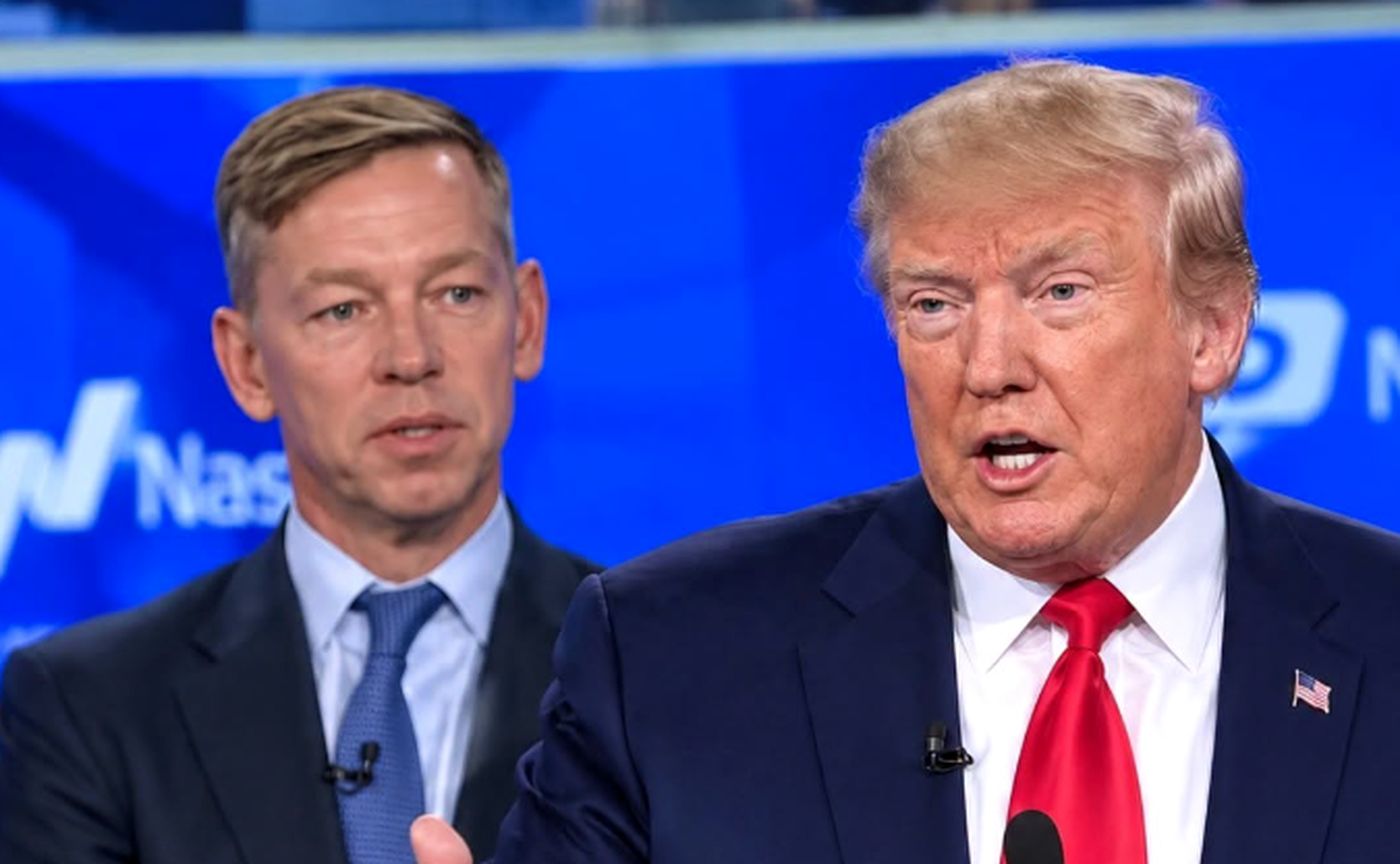
Trump Cheered By Tens of Thousands At Texas-Tennessee College Football Game

by

President Donald Trump made a high-profile appearance Saturday at one of the biggest college football games of the season, arriving at a packed Neyland Stadium as top-ranked Texas faced No. 14 Tennessee.

Trump traveled to Knoxville for the nationally televised Southeastern Conference matchup, where his arrival added presidential security, an Air Force One flyover and another layer of attention to an already highly anticipated game.

The president landed at 11:28 a.m. ET, shortly before the noon kickoff, after Air Force One performed a low-altitude flyover above Neyland Stadium while Texas and Tennessee players warmed up on the field.

Fans inside the stadium could be heard cheering during the flyover.

馃敟 LET’S GO! President Trump just did a SUPER low pass in Air Force One over Neyland Stadium in Knoxville

Absolutely SCREECHED over the crowd 馃ぃ

ESPN: “It was REALLY close to the top of the stadium” 馃槀 pic.twitter.com/u6MlkalDCA

— Nick Sortor (@nicksortor) September 26, 2026

Trump’s motorcade reached Neyland Stadium at approximately 11:59 a.m., just as the national anthem was being performed.

馃敟 “Ladies and gentlemen, the 45th and 47th President of the United States, DONALD J. TRUMP!”

No word if 47 is a Vols fan or a Longhorns fan 馃槀 https://t.co/MWwu5OfUkC pic.twitter.com/LBV8gcALMP

— Nick Sortor (@nicksortor) September 26, 2026

When Trump was shown on the stadium’s giant video boards, cheers could again be heard throughout portions of the crowd. Other accounts and videos from inside the stadium also captured boos from some spectators during his appearance, producing differing descriptions of the overall reception.

Trump responded by pumping his fist several times from a stadium suite.

The president watched the game alongside Tennessee’s two Republican U.S. senators, Marsha Blackburn and Bill Hagerty.

Trump’s visit came as No. 1 Texas made its first-ever trip to Neyland Stadium to play the No. 14 Volunteers.

The matchup also gave Trump an opportunity to watch Texas quarterback Arch Manning play at the stadium where Manning’s uncle, Peyton Manning, became one of Tennessee’s most celebrated players during the 1990s.

Security surrounding the presidential visit required substantial preparation.

The University of Tennessee opened Neyland Stadium 30 minutes earlier than usual and urged fans to arrive well before kickoff because of additional Secret Service screening.

Fans who entered early were offered half-price concessions.

The strategy appeared to work.

The stadium was reportedly approximately half full 90 minutes before kickoff and nearly full an hour before the game began.

There had also been concern that Trump’s movements could interfere with electronic communications used by the football teams.

Texas coach Steve Sarkisian said before the game that coaches had been warned they could temporarily lose headset communications whenever Trump entered, left or moved to another location inside the stadium.

The two universities coordinated with the Secret Service before kickoff to minimize potential interference, and no significant communication problems were reported during the game.

Trump’s motorcade left the stadium at approximately 2:07 p.m., during the second half.

Texas ultimately defeated Tennessee 20-17 in a closely contested SEC opener.

Longhorns defensive end Colin Simmons tied a Texas program record with five sacks, while running back Raleek Brown rushed for 67 yards and scored two touchdowns.

Brown’s four-yard touchdown run with 5:41 remaining provided the winning margin.

Texas quarterback Arch Manning finished with 201 passing yards as the Longhorns survived Tennessee’s late comeback attempt and remained undefeated.

Trump has increasingly made major sporting events part of his public schedule during his second term.

He attended the Daytona 500 in 2025 and has appeared at UFC events, major college football games and other high-profile sporting contests.

Earlier this year, Trump attended Game 3 of the NBA Finals between the New York Knicks and San Antonio Spurs and later attended the World Cup final in New Jersey.

College football has been a particularly frequent destination.

Trump has attended Army-Navy games, national championship games and several regular-season SEC contests, including Alabama-Georgia in 2024.

Saturday’s trip also came as Congress continues debating federal legislation that could reshape college athletics.

Lawmakers have been considering measures dealing with name, image and likeness compensation, athlete transfers and the authority of the NCAA and conferences to regulate college sports.

Trump has also taken executive action involving college athletics, signing an order last year aimed at limiting what his administration described as “pay-for-play” arrangements while attempting to preserve scholarships and opportunities in non-revenue sports.

The president’s visit placed him in front of one of college football’s largest audiences.

Neyland Stadium officially seats more than 101,000 spectators and routinely ranks among the largest college football venues in the country.
Trump Issues Statement Regarding Health of Mitch McConnell

by

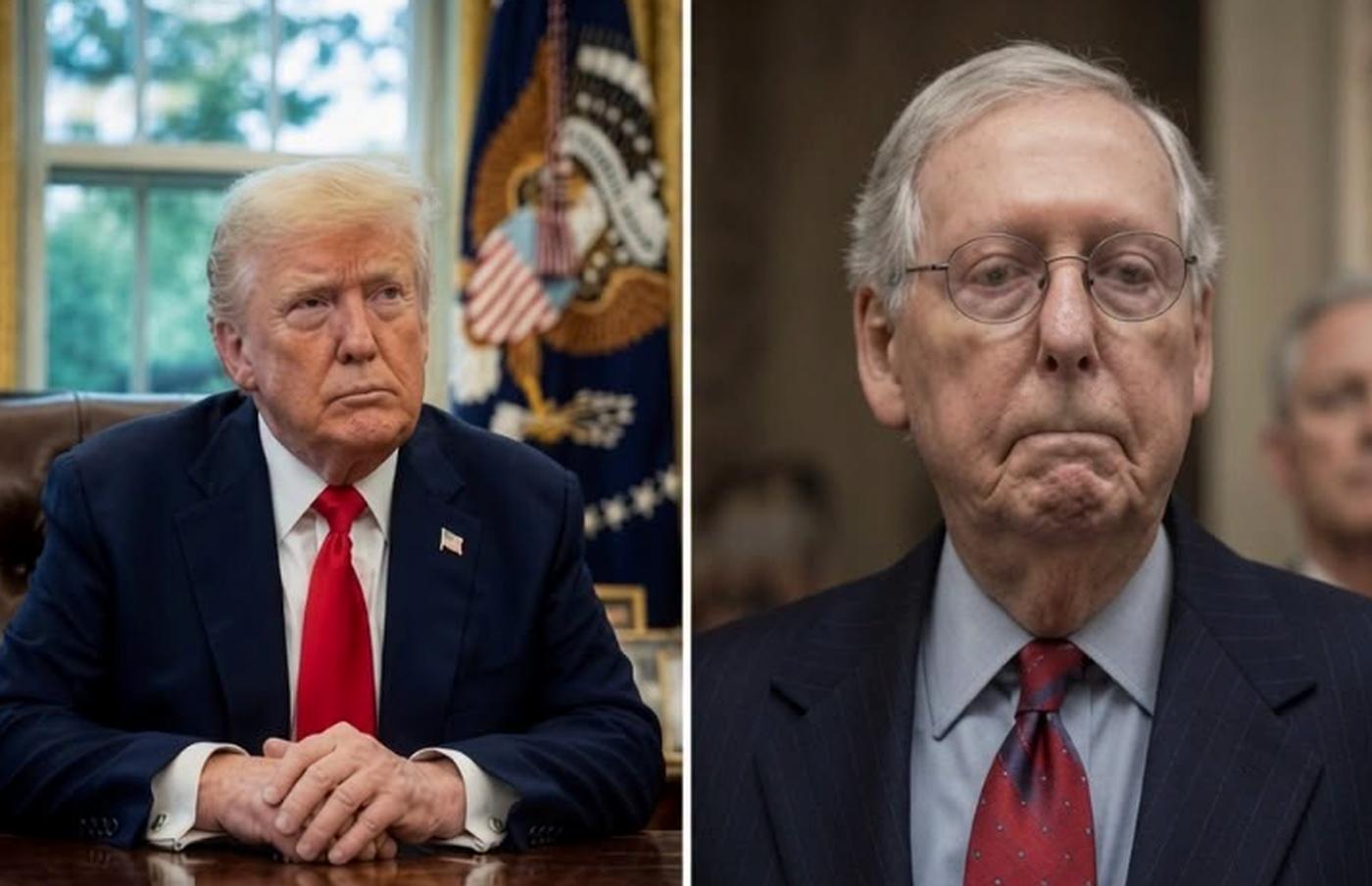
Weeks after former GOP Senate Majority Leader Mitch McConnell was hospitalized for a reportedly serious heart condition, there has been much speculation about his current condition.

Rumors are also swirling about whether he can complete his term, which ends in January.

Initially, reports said that McConnell suffered a “cardiac arrest” and was administered CPR – a health condition that is normally fatal, even for victims much younger than McConnell, who is 84 and has an extensive history of health problems.

But later, in one of the few public updates on the Kentucky Republican’s condition, his staff only said that he was receiving “excellent care.”

However, others who should know more about McConnell’s condition don’t. That includes the president of the United States.

Libby Dean, the White House correspondent for NewsNation, tweeted on Wednesday: “President Trump says he has ‘no idea’ how Sen. Mitch McConnell is doing and says he hasn’t spoken with the Kentucky Republican since McConnell’s hospitalization.”

Now, the governor of the Bluegrass State has grown concerned enough that he has reached out to the senator to inquire about his health.

“As Governor, I request that you fully update Kentuckians regarding the current status of your health,” Gov. Andy Beshear,a Democrat who is seen as a potential 2028 presidential contender, wrote in a letter to McConnell on Wednesday.

“As public officeholders, we have made a commitment to our constituents to do our best to represent them and to always be transparent,” Beshear’s letter continued.

“I believe this requires clear communication about one’s ability to serve,” he added.

Several top Republicans were asked about McConnell’s condition on Tuesday, and their responses were not reassuring.

Utah Republican Sen. Mike Lee has said that even members of Congress are in the dark about McConnell’s current condition.

Speculation has surrounded the health of the 84-year-old McConnell since the Kentucky senator was found unconscious and required CPR at his home in Washington, D.C., weeks ago.

McConnell’s staff has provided no significant update on his condition since he was hospitalized June 14.

The secrecy has fueled speculation that there is an effort to keep the full extent of the Republican’s condition from the public and has raised questions about whether he will be able to return to office.

On Monday night, MAGA social media user Mila Joy wondered why other senators haven’t spoken out about McConnell’s condition.

“Because they are ALL in on it together. That’s why,” Joy posted to her 571,000 X followers.

In reply, Sen. Lee posted: “Many of us aren’t speaking about Mitch McConnell’s condition because we know nothing about his condition.”

But Lee’s assessment contradicts earlier comments from Senate Majority Leader John Thune after McConnell was first hospitalized.

Thune said he had spoken to the 84-year-old and that he “sounded good.”

“He wants to be back, but I’ll defer to his staff on when,” Thune said on June 15.

Popular conservative activist Laura Loomer claimed recently that sources told her that McConnell is in a “vegetative state,” dismissing Thune’s version of events.

Things with McConnell have gotten worse by the day.

Since the reported incident, McConnell’s office has provided scant details on the former Senate GOP leader’s health condition, except to say that he allegedly “appreciates the outpouring of support he’s receiving while he continues his recovery in the hospital.”

His office last week also said the 84-year-old senator “continues to improve, and is working closely with his staff on Kentucky and Senate matters while the Senate is out of session.

BREAKING NEWS… 4 countries join forces to atta…

by

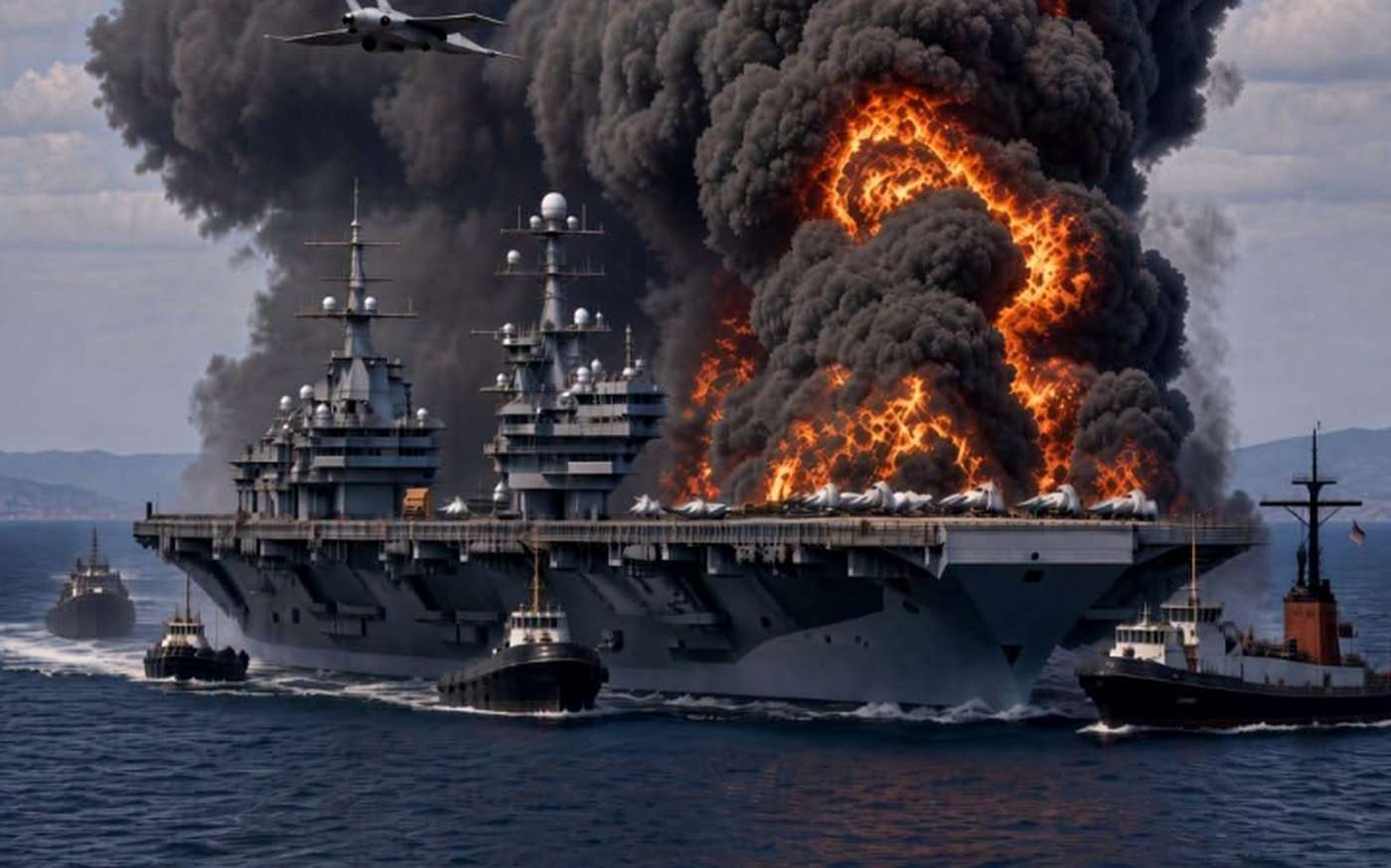
Iran launches missiles and drones at US military bases across Bahrain, Qatar, Kuwait, and the UAE, escalating regional conflict.

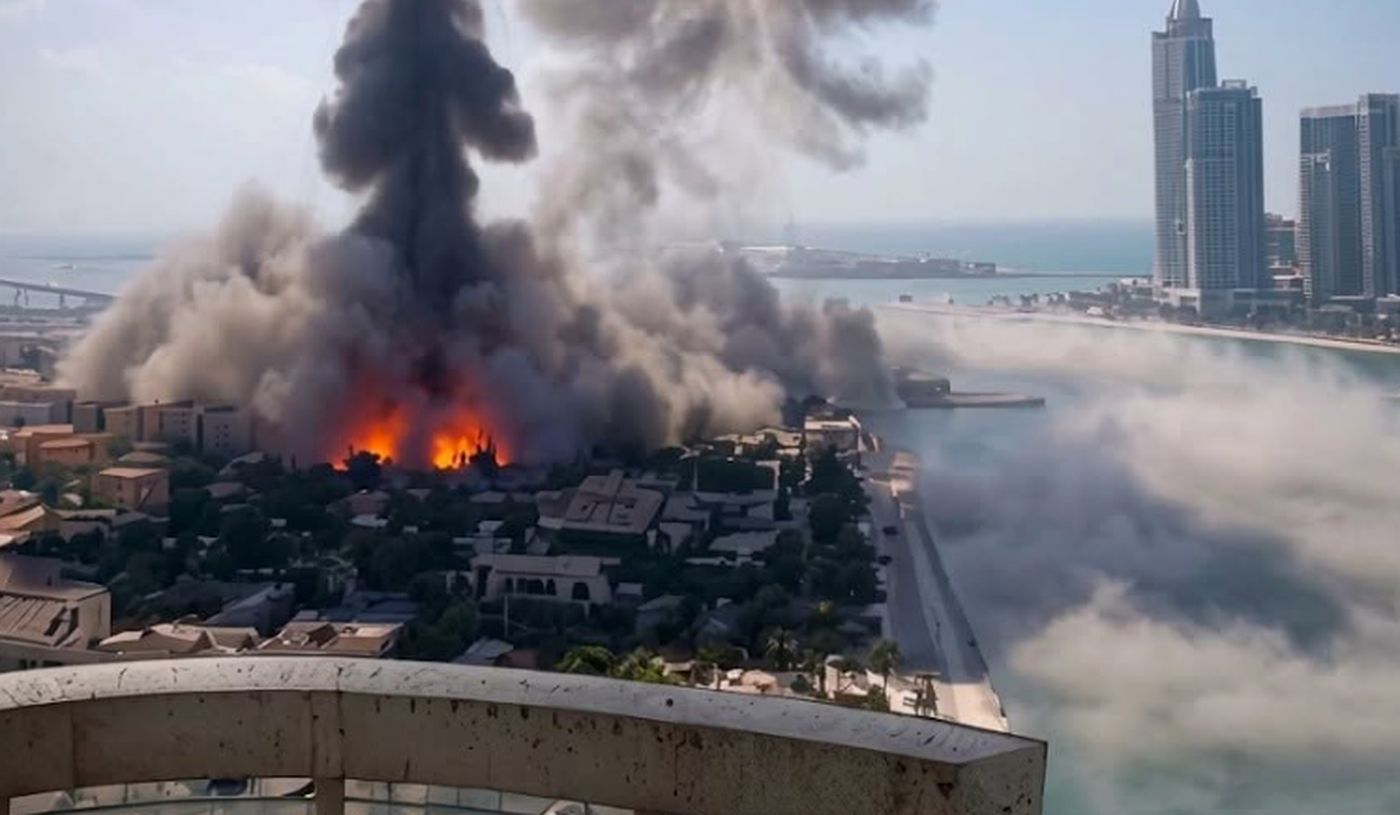
PERSIAN GULF — The Persian Gulf is once again on a war footing. Iran has launched waves of missiles and drones toward locations hosting U.S. military forces across the region, forcing Gulf allies to activate air defenses and sending emergency alerts through communities already bracing for another round of escalation.

This is no longer a contained confrontation. Iran’s repeated attacks against American military positions and regional allies have demonstrated just how quickly the conflict can spread across the Gulf. U.S. forces maintain a major strategic presence in Bahrain, Qatar, Kuwait and the United Arab Emirates, making those installations prime targets whenever Tehran chooses escalation. Reuters has reported multiple rounds of Iranian attacks against U.S. bases and assets across the region.

In the United Arab Emirates, explosions and reports of incoming threats have put security forces on high alert. UAE air defenses have previously intercepted Iranian missiles and drones, while Iranian forces have claimed attacks against facilities associated with U.S. operations.

Al Dhafra Air Base remains particularly significant because of its connection to U.S. military operations in the region. Iranian attacks have previously targeted American-associated infrastructure in the UAE, demonstrating that even major Gulf installations can come under direct pressure during an escalation.

But claims of specific damage from any individual barrage must be treated carefully until authorities complete assessments and independent evidence becomes available.

Bahrain remains one of the most strategically important American military locations in the Gulf. It hosts Naval Support Activity Bahrain, headquarters of the U.S. Navy’s Fifth Fleet, making the kingdom a critical part of Washington’s regional military network.

Iran has repeatedly claimed attacks against U.S.-linked facilities in Bahrain, including Sheikh Isa, while Bahraini authorities have reported intercepting incoming threats during previous barrages. Reuters and other outlets have documented repeated Iranian attacks against American positions throughout the Gulf.

Qatar has faced the same danger. Al Udeid Air Base is one of the most important U.S. military installations in the region, and Iranian forces have repeatedly targeted or threatened American assets there. Satellite imagery has also documented damage to portions of U.S. infrastructure at Al Udeid from earlier attacks.

Kuwait has likewise found itself directly exposed. Iranian missiles and drones have previously targeted locations supporting U.S. forces, with Kuwaiti air defenses engaging incoming threats.

The pattern is unmistakable: American military infrastructure across the Gulf is increasingly exposed to Iranian missile and drone attacks, while U.S. allies are being forced to defend their territory against strikes connected to a conflict they did not initiate.

The narrow waterway is one of the world’s most important energy chokepoints. Continued fighting around the Gulf threatens commercial shipping, energy exports and already-fragile global markets. Reuters has reported that the conflict has severely disrupted shipping through the region, while the Strait remains at the center of the confrontation between Washington and Tehran.

Every additional missile launch, drone attack or naval confrontation raises the possibility of another dangerous shock to global energy supplies.

The message coming from the battlefield is increasingly clear: the conflict is not staying inside Iran.

Iran has demonstrated its willingness and ability to strike U.S.-linked targets across the Gulf, while Washington continues to maintain significant military forces throughout the region. The result is a volatile confrontation in which one additional attack could trigger another cycle of retaliation.

For American forces and U.S. allies, the immediate priority is defense, interception and damage assessment. For the rest of the world, the biggest question is whether the next missile launch becomes the trigger for an even broader regional war.

The Persian Gulf is already under enormous pressure. One more major escalation could push the entire region into territory nobody can easily control.

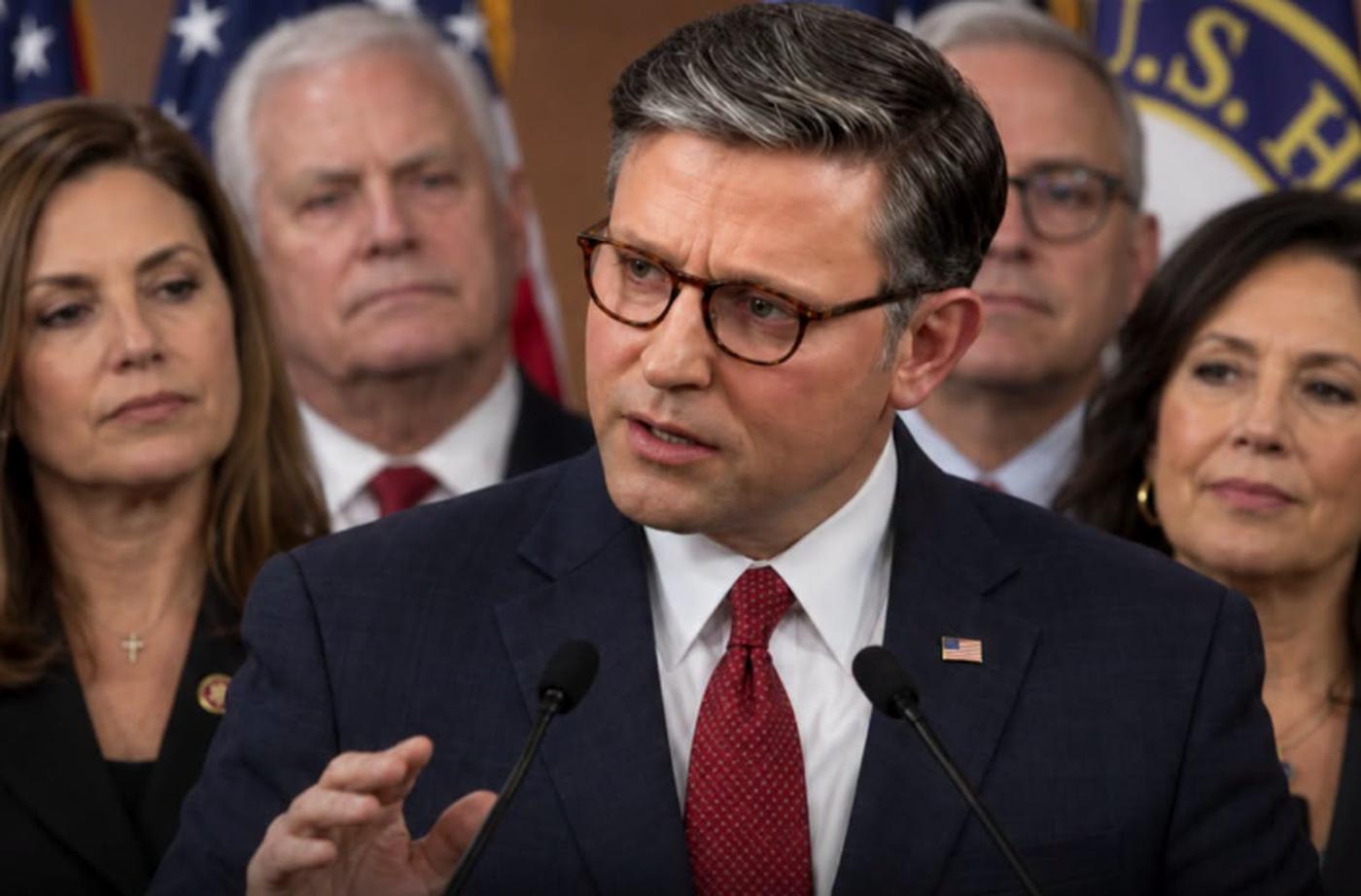
House Approves Legislation That Changes How Americans Use Money

by

The penny is one step closer to becoming a permanent relic of American commerce.

The House on Monday approved bipartisan legislation that would formally end production of the one-cent coin for everyday circulation and establish nationwide rules for rounding certain cash transactions to the nearest nickel.

The Common Cents Act, H.R. 10167, passed by voice vote under suspension of the rules, a procedure generally used for measures with broad bipartisan support. Because lawmakers did not take a recorded roll-call vote, individual members’ positions were not formally documented.

The bill was introduced by House Republican Conference Chair Lisa McClain of Michigan and Democratic Rep. Robert Garcia of California.

It would direct the Treasury Department to permanently stop minting pennies for general circulation while preserving the government’s ability to produce limited quantities for collectors. Existing pennies would remain legal tender and could continue to be used for purchases, debts and taxes.

In practical terms, production has already ended.

The U.S. Mint struck its final circulating penny on Nov. 12, 2025, bringing an end to 232 years of continuous production.

The decision followed years of rising costs that made the penny considerably more expensive to manufacture than its face value.

By the time production stopped, the Mint said each penny cost approximately 3.69 cents to produce. Treasury estimated that eliminating new circulating pennies would save roughly $56 million annually in material costs.

“Today the Mint celebrates 232 years of penny manufacturing,” Acting Mint Director Kristie McNally said during the ceremonial final strike. “While general production concludes today, the penny’s legacy lives on.”

The legislation would effectively make that administrative decision permanent by writing the end of circulating penny production into federal law.

It would not remove the hundreds of billions of pennies already in existence. Treasury has estimated that close to 300 billion remain in circulation, meaning the coins could continue changing hands for years even though no new ones are being produced.

The bill also addresses one of the most immediate problems created by the dwindling supply of pennies: what retailers should do when a cash purchase does not total an amount divisible by five cents.

Under the legislation, businesses unable to provide exact change could round the final cash total to the nearest nickel.

Totals ending in 1, 2, 6 or 7 cents would generally round down, while amounts ending in 3, 4, 8 or 9 cents would round up. Transactions already ending in zero or five cents would remain unchanged.

The rounding provision would apply only to cash transactions when exact change is unavailable.

Credit and debit cards, checks, electronic transfers, gift cards and other non-cash payments would continue to be processed to the exact cent. Businesses that still have pennies available could also continue providing exact change rather than rounding.

The legislation goes beyond the penny.

It would give Treasury authority to develop a less expensive composition for the nickel, provided testing determines that a new version would lower production costs without creating significant problems for vending machines and other coin-processing equipment.

The current nickel is composed of 75% copper and 25% nickel, and it too costs more than its face value to manufacture.

The Federal Reserve would also be directed to develop a nationwide transition strategy for managing the enormous supply of pennies still in circulation. The legislation calls for officials to examine the effects of cash rounding on groups including lower-income consumers, older Americans and people without access to traditional banking services.

Congress has been working on the issue through parallel House and Senate bills.

The Senate approved its version of the Common Cents Act, S. 1525, by unanimous consent on Aug. 7 after adopting substitute language.

The House subsequently passed H.R. 10167 on Sept. 14. The measure was received in the Senate the following day and referred to the Senate Banking, Housing and Urban Affairs Committee.

Because the legislation moving through the two chambers carries separate bill numbers, additional congressional action is still necessary before a final measure can be sent to President Donald Trump for his signature.

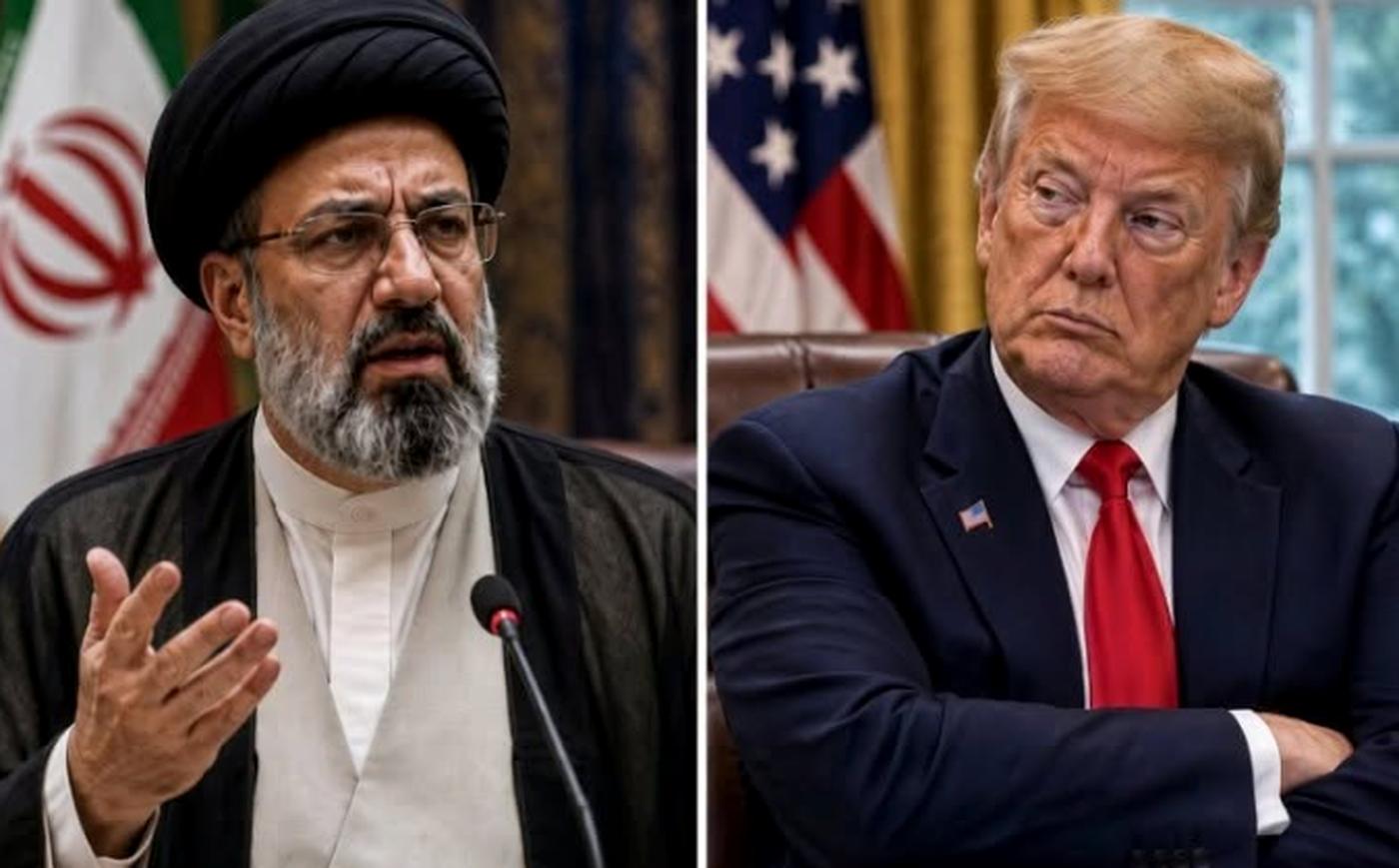
Trump Cancels Further U.S. Strikes On Iran, Says War Is ‘Ended’

by

President Trump on Thursday claimed that the war with Iran is “over,” after announcing he had canceled further U.S. military strikes on the Islamic Republic.

“I don’t know if you heard, but we ended the war with Iran today,” Trump said during a tele-rally in support of GOP Georgia Lt. Governor Burt Jones, who is running for governor.

“They have agreed never to have a nuclear weapon, something that we insisted on; that was the whole purpose. That was 95 percent of it,” he added.

Trump also said that the U.S. Navy blockade of the Strait of Hormuz would continue until a formal agreement was signed. He indicated interested parties would meet in Switzerland to finalize the deal.

Reports said the agreement could be signed as soon as Sunday, ahead of the G7 summit that will be held in the European country.

Israel had not publicly commented as of Friday on the latest draft memorandum of understanding that was reported by Iranian state media.

Trump said Thursday that he had discussed the potential agreement with Israeli Prime Minister Benjamin Netanyahu as well as other leaders in the region.

According to Trump, the conversations focused on the developing negotiations and the framework of a possible understanding with Iran.

Trump’s full statement on Truth Social said:

Based on the fact that discussions with the Islamic Republic of Iran have been brought to the highest level of Iranian leadership and approved, I have, as President of the United States of America, cancelled the scheduled strikes and bombings against Iran this evening.

Discussions and final points have been, in both concept and great detail, approved by all parties involved, including the United States, Israel, Saudi Arabia, UAE, Qatar, Turkey, Pakistan, Bahrain, Kuwait, Jordan, Egypt, and others. The Naval Blockade will remain in full force and effect until this Transaction is finalized — Time and place of the signing to be announced shortly.

Netanyahu’s office later confirmed the call, saying in a statement that while Israel is not a direct participant in the negotiations, the prime minister welcomed Trump’s commitment to ensuring that any final agreement would include significant restrictions on Iran’s nuclear program and address other destabilizing activities by the regime.

Roughly 25% of the world’s seaborne oil shipments and about 20% of global liquefied natural gas exports move through the Strait, making the narrow waterway one of the most strategically important energy chokepoints on the planet and a focal point throughout the conflict.

Financial markets responded positively Friday amid growing optimism that a diplomatic breakthrough could be within reach.

European stocks rallied sharply, with the pan-European Stoxx 600 climbing 1.8% and most major indexes posting gains of around 2% in morning trading.

Energy markets also reacted to the prospect of easing tensions. U.S. crude oil futures for July delivery fell 1.61%, while August Brent crude futures, the international benchmark, dropped 1.75% as traders priced in a reduced risk of supply disruptions, CNBC reported.

Trump personally warned Fox News correspondent Trey Yingst about impending U.S. military action against Iran just hours before American forces launched a new round of strikes targeting the country’s military infrastructure earlier in the week.

According to Yingst, Trump spoke with him by telephone from the Situation Room shortly before the attacks and described the operation that was about to unfold.

The president later confirmed through social media posts that he believed Iran would face severe consequences after negotiations failed to produce an agreement.

“Iran’s Military is a complete and total mess,” Trump wrote on Truth Social.

He added that much of the country’s naval and air capabilities “doesn’t even exist anymore” and warned that Iranian leaders would “pay the price” after taking too long to negotiate.

U.S. Central Command announced that additional self-defense strikes began at 5:15 p.m. Eastern Time Thursday against multiple targets in Iran at the direction of the commander-in-chief.

Just In: Iran Stuns The World And Announces

by

While diplomacy moved forward, U.S. Central Command announced that American forces carried out what it described as “self-defense strikes” in southern Iran. Capt.

President Trump said any future agreement with Iran would be… Negotiations Continue Despite Military Action

Tim Hawkins said the operation targeted missile facilities and Iranian vessels allegedly involved in efforts to place naval mines near key maritime routes. U.S. military officials said the strikes were designed to protect American personnel and assets while maintaining the broader cease-fire framework.

A senior defense official said U.S. aircraft and naval forces operating near the Gulf of Oman and Arabian Sea had faced threats from Iranian surface-to-air missile systems, with the strikes occurring near the Iranian naval hub of Bandar Abbas.

Despite the military escalation, negotiations continued in Qatar. Iranian Foreign Ministry spokesperson Esmaeil Baqaei said Tehran and Washington had reached areas of understanding on several issues but warned that a final agreement had not yet been achieved. He also accused the United States of shifting its positions during the negotiations.

President Trump said any future agreement with Iran would be “good and proper,” while continuing to criticize the 2015 nuclear deal negotiated during the Obama administration.

Technical Details Under Discussion

Trump argued that the previous agreement provided Iran with economic relief without

creating a permanent guarantee that Tehran would not pursue nuclear weapons capability. According to a senior U.S. administration official, negotiators have made progress on a proposed framework that would require Iran to eliminate its stockpile of highly enriched uranium, reopen the Strait of Hormuz, and accept major limits on future uranium enrichment activities.

In return, the United States would reportedly end its naval blockade and begin a phased reduction of economic sanctions.

Officials said the major political issues have largely been resolved in principle, but technical details, verification procedures, and enforcement measures remain under discussion. Washington’s priority is securing a long-term and verifiable agreement that prevents Iran from exceeding agreed nuclear limits, with strong enforcement mechanisms considered a central element of any deal. The administration believes recent military pressure has increased Iran’s willingness to negotiate.

If completed, the agreement would reportedly place stricter restrictions on…

If completed, the agreement would reportedly place stricter restrictions on Iran’s nuclear program than the 2015 accord, reflecting the Trump administration’s push for a broader and more enforceable settlement.

Shocking Reports Claim a Russian Su-57 Stealth Fighter Pilot Allegedly Carried Out a Devastating Strike on a…

by

shockwaves through the global community. The attack was reportedly executed with such extreme velocity that sophisticated defensive systems were unable to intercept the threat, resulting in what many fear are catastrophic losses. This breach of a high-value fortified target has prompted immediate and intense scrutiny from defense analysts, who are now forced to reconcile the failure of modern technology against emerging offensive capabilities.

As the world awaits official confirmation from government authorities, the vacuum of information is being filled by rapid speculation across social networks. This digital frenzy has exacerbated existing tensions, fueling widespread concern over a potential escalation between major world powers.

Military Strategy Implications

In light of these developments, geopolitical experts are stressing the importance of verifying facts to prevent the spread of misinformation, which could lead to unintended diplomatic or military consequences. Should these reports be verified, the incident would mark a pivotal shift in the landscape of modern warfare.

It highlights a disturbing reality: even the most secure military assets possess vulnerabilities that can be exploited by rapid-response strikes. Such a development would likely necessitate a total overhaul of global military strategy and a redistribution of the balance of power.

International Response

Currently, the international community remains on high alert as investigators and think tanks analyze the data to determine if this event represents a singular anomaly or the beginning of a dangerous new chapter in international relations.